
Bundesliga Odds Guide: How to Read Prices and Spot Value
Bundesliga odds represent more than just numbers displayed on betting sites—they’re the fundamental language of betting markets, encoding probability assessments, bookmaker margins, and collective wisdom of thousands of bettors into simple figures. Yet most people who bet on German football never truly understand what those odds mean, how they’re constructed, or why they change. That gap in understanding costs money because you’re essentially playing a game without grasping its rules.
I’ve spent years studying betting odds across various sports and leagues, and Bundesliga markets present fascinating characteristics that separate them from Premier League, La Liga, or Serie A betting. The odds movements follow distinct patterns shaped by German football’s unique attributes—attacking philosophy, Bayern Munich’s dominance, strong home advantages, and a betting public that thinks differently than English or Spanish punters. Understanding these peculiarities creates edges that generic odds knowledge doesn’t capture.
The mathematics behind betting odds isn’t particularly complex, but applying that math to find actual value requires nuance that most casual explanations skip. Anyone can tell you that decimal odds of 2.00 represent 50% implied probability. Far fewer people can explain why those odds might be set at 2.00 when true probability sits at 55%, or how to systematically identify such mispricings before markets correct them.
This guide digs into the mechanics of Bundesliga odds at a level that actually matters for profitable betting. You’ll learn how different odds formats work and when each proves useful, how bookmakers construct their odds and where vulnerabilities exist in that process, why odds move and what those movements signal, and how to consistently find the best available prices rather than settling for whatever your default bookmaker offers. More importantly, you’ll understand how Bundesliga odds specifically differ from other major leagues in ways that create exploitable opportunities.
The 2026/27 season brings fresh dynamics to German football betting markets. Bayern Munich’s odds reflect ongoing uncertainty about whether their dominance has permanently cracked after recent title challenges. Promoted sides Hamburg and Köln return with market uncertainty about their top-flight capabilities. New managers at multiple clubs create tactical unknowns that odds-makers struggle pricing accurately. Throughout all of this, understanding odds mechanics helps you identify where bookmakers are guessing versus pricing with confidence.
Learn quickly how to bet.
Understanding Bundesliga Odds Formats
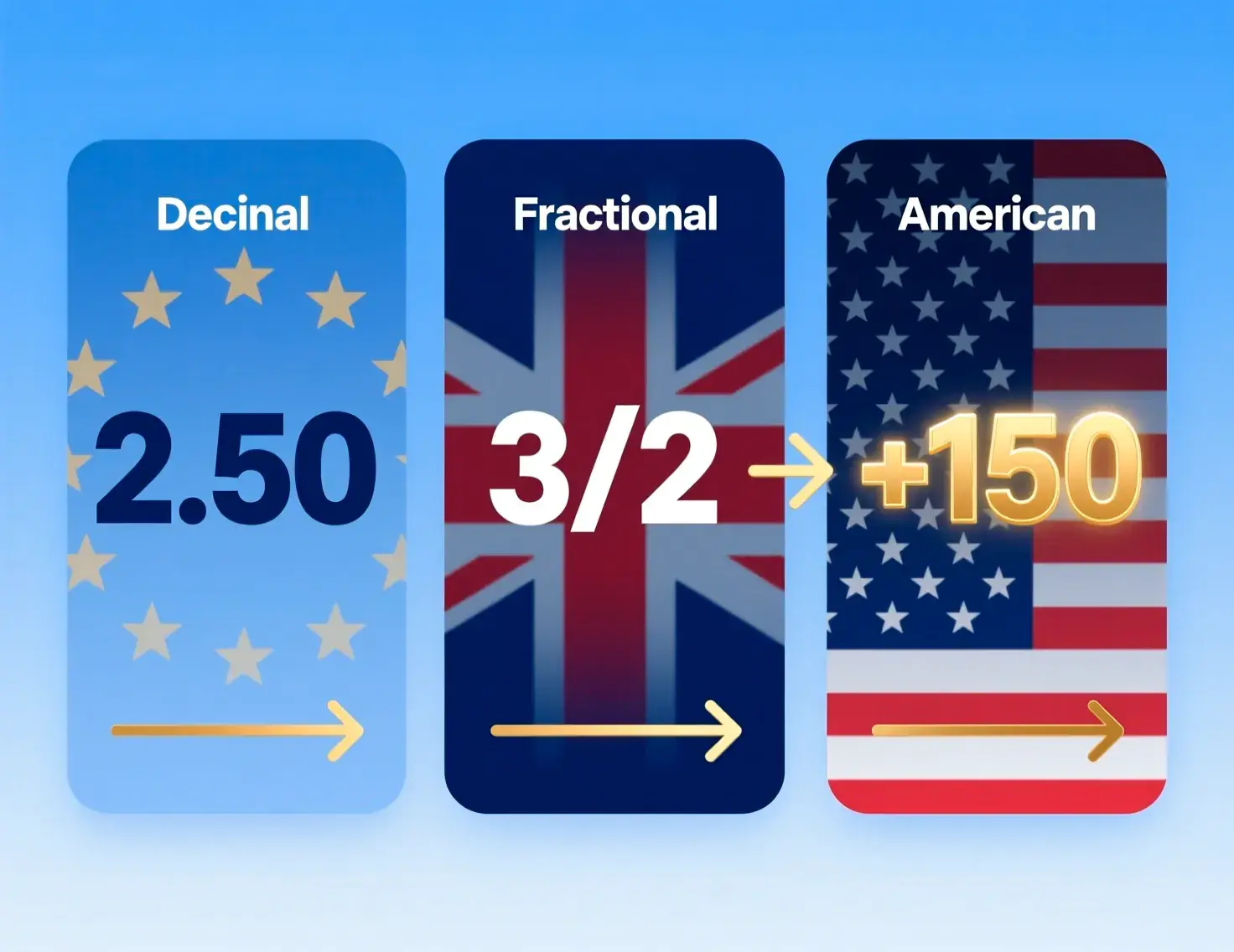
Three primary odds formats dominate global betting markets, and understanding all three—even if you only use one regularly—helps you compare prices across different bookmakers and betting regions. Each format expresses identical information differently, and fluency in translating between formats becomes essential for serious Bundesliga betting.
Decimal odds represent the most intuitive format for most people and dominate European betting markets including those focused on Bundesliga. The decimal figure shows your total return for each unit staked, including your original stake. Odds of 2.50 mean a 10-pound bet returns 25 pounds total—15 pounds profit plus your 10-pound stake back. The calculation is straightforward: stake multiplied by decimal odds equals total return.
Converting decimal odds to implied probability requires simple division: 1 divided by the decimal odds. So 2.50 decimal odds represent 1/2.50 = 0.40 = 40% implied probability. This calculation becomes crucial for identifying value because you’re constantly comparing bookmaker-implied probability against your own probability assessments. When your calculated probability exceeds implied probability after accounting for bookmaker margin, value exists.
Most European bookmakers display Bundesliga odds in decimal format by default, making this the standard language for German football betting. Bet365, Betway, Pinnacle—all use decimals as their primary format for continental European football markets. If you’re betting Bundesliga regularly, fluency in decimal odds isn’t optional.
Fractional odds persist primarily in UK and Irish betting markets, though their usage has declined as decimal odds gain popularity. Fractions show profit relative to stake rather than total return. Odds of 6/4 mean you profit 6 units for every 4 staked, so a 4-pound bet returns 10 pounds total—6 pounds profit plus your 4-pound stake. The math becomes less intuitive than decimals, particularly for comparing odds across multiple bookmakers quickly.
Converting fractional odds to probability requires dividing the denominator by the sum of numerator and denominator. For 6/4 odds: 4/(6+4) = 4/10 = 40% implied probability. That matches our 2.50 decimal example because they’re expressing identical odds in different formats. Converting between decimal and fractional is straightforward: decimal odds of 2.50 equal fractional odds of 3/2 (because 2.50 – 1 = 1.50 = 3/2).
Some UK bookmakers still default to fractional odds even for Bundesliga markets, so understanding this format helps when shopping odds across different sites. But the trend moves decisively toward decimals because they’re simply easier for mental math when betting.
American odds use positive and negative numbers centered around 100 to express favorites and underdogs. Negative odds show how much you must stake to win 100 units, while positive odds show profit from a 100-unit stake. Odds of -200 mean you stake 200 to win 100, while +150 means you profit 150 from a 100 stake.
American odds dominate US sportsbooks, making them relevant if you’re betting Bundesliga at DraftKings, FanDuel, or other American operators. Converting American odds to probability depends on whether they’re positive or negative. For negative odds, divide the absolute value by itself plus 100: 200/(200+100) = 66.7%. For positive odds, divide 100 by the odds plus 100: 100/(150+100) = 40%.
The relationship between formats: decimal odds of 2.50 equal fractional odds of 3/2 and American odds of +150. They all represent identical 40% implied probability expressed differently. Knowing these conversions lets you shop odds across bookmakers using different formats, ensuring you’re always getting the best available price regardless of how it’s displayed.
How Bookmakers Set Bundesliga Odds
Understanding how bookmakers construct odds reveals where vulnerabilities exist in their pricing models—gaps where informed bettors can find value. Odds don’t emerge from random guessing or pure mathematical calculations. They blend statistical modeling, market forces, risk management, and sometimes educated assumptions about events that contain irreducible uncertainty.
Initial odds come from trading teams employing sophisticated statistical models. These models ingest vast data sets—recent form, head-to-head records, home-away splits, injury reports, expected goals metrics, possession statistics, everything quantifiable about football performance. The models output probability estimates for various match outcomes, which traders convert to odds after adding bookmaker margin.
The margin, also called overround or vig, represents bookmaker profit built into odds. If Bayern faces Union Berlin and true probabilities are Bayern win 70%, draw 20%, Union win 10%, fair decimal odds would be 1.43, 5.00, 10.00. But bookmakers add margin, offering perhaps 1.35, 4.50, 9.00 instead. The margin ensures they profit regardless of outcome, assuming balanced action across all results. Typical margins on Bundesliga match odds range from 2-6%, with sharper bookmakers like Pinnacle closer to 2% and recreational books often exceeding 5%.
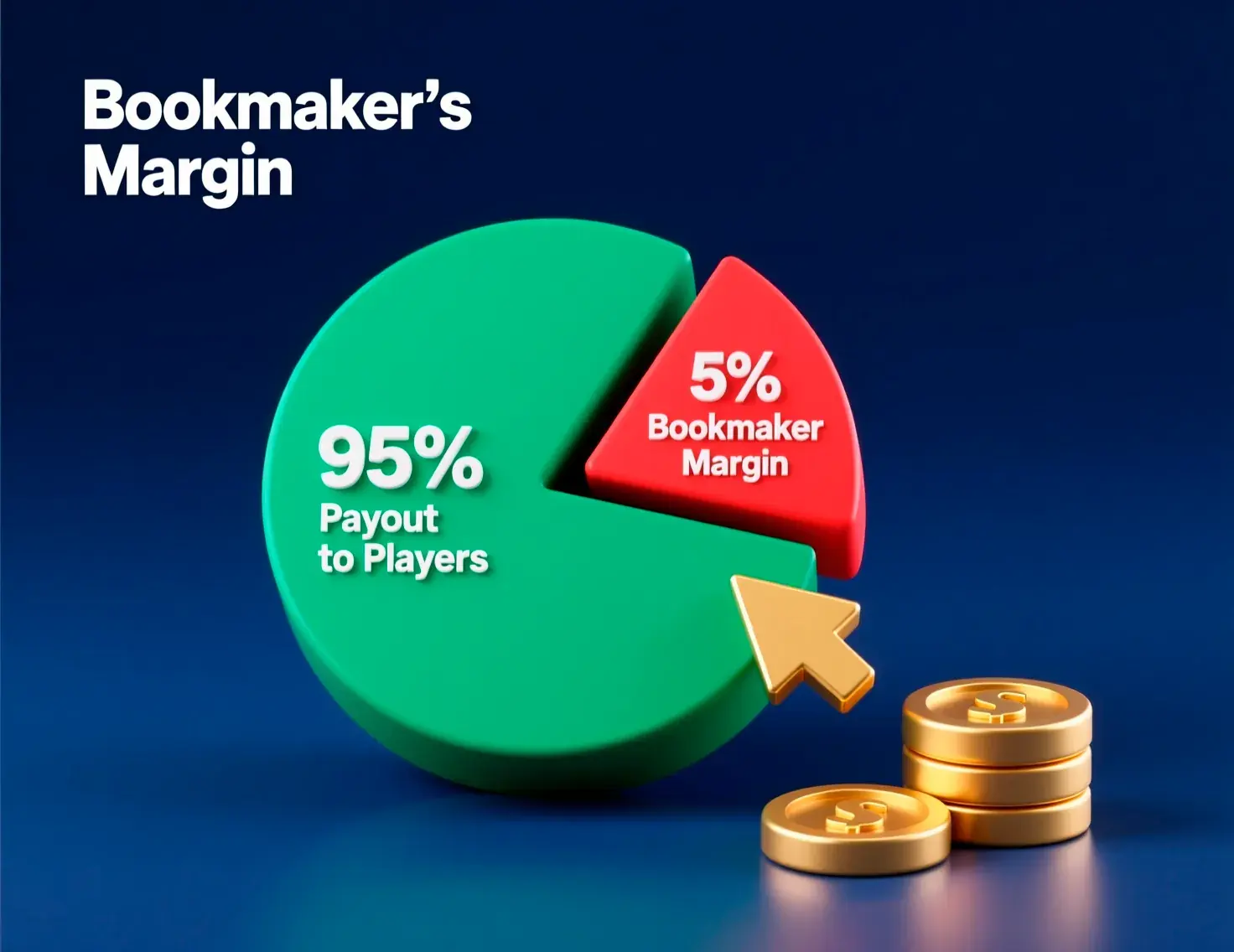
Calculating bookmaker margin requires converting all odds to implied probabilities and summing them. For our example: (1/1.35) + (1/4.50) + (1/9.00) = 0.741 + 0.222 + 0.111 = 1.074. The total exceeds 1.00 (representing 100%) by 0.074 or 7.4%—that’s the margin. Lower margins mean better value for bettors because odds sit closer to true probability.
After setting opening odds, bookmakers monitor betting action. If Bayern opens at 1.35 and sharp bettors immediately hammer that price with large stakes, bookmakers infer their initial odds were too generous and adjust them lower, perhaps to 1.30 or 1.28. Conversely, if Union Berlin’s 9.00 odds attract heavy public betting, bookmakers might lower Union’s odds to balance their liability, even if their statistical models suggest the price should move the opposite direction.
This creates the critical distinction between odds movements driven by information versus liability management. Sharp money—large bets from respected professional bettors—signals that odds may be mispriced, prompting bookmakers to correct toward more accurate probability. Public money—recreational betting volume—often creates liability imbalances that force odds adjustments unrelated to outcome probability. Learning to distinguish these movement types separates sophisticated odds reading from surface-level observation.
I track early odds movements across multiple bookmakers to identify sharp action. If Pinnacle moves first on a match, followed quickly by other sharp books like Betway and Bet365, while recreational books lag behind, that sequence suggests sharp money drove the movement and new odds likely reflect improved probability estimates. If only one bookmaker moves odds while others hold steady, that might signal an isolated liability concern rather than genuine information.
Bundesliga-specific factors complicate odds-setting in ways that don’t apply universally across football. Bayern Munich’s historical dominance creates template pricing where bookmakers start with Bayern as heavy favorites against most opposition, adjusting from that baseline rather than building odds from scratch. This template approach sometimes persists even when Bayern shows vulnerability, creating value on opponents that bookmakers underprice due to historical bias.
New manager appointments create substantial uncertainty that bookmakers struggle pricing accurately. When a club fires their manager mid-season and appoints a replacement, historical data becomes less predictive because tactical approach will change. Bookmakers typically widen odds spreads in these situations—favorites become shorter, underdogs become longer—reflecting increased uncertainty. But often they don’t adjust enough, creating opportunities for bettors who research the new manager’s tactical preferences and likely impact.
Injury news presents another challenge for Bundesliga odds-setters. Key player absences should meaningfully adjust odds, but bookmakers must balance multiple information sources—official club announcements, journalistic reports, social media speculation—that carry varying reliability. Sometimes bookmakers overreact to injury rumors that prove inaccurate, or underreact to confirmed absences they don’t fully price into odds. Staying ahead of injury news and understanding its true impact on match outcomes creates edges before bookmakers incorporate information fully.
Why Bundesliga Odds Change (And What It Means)
Odds movement represents the betting market’s collective reassessment of probability as new information emerges and money flows into different positions. But not all movements carry equal significance. Understanding why odds changed and what that change signals helps you determine whether to follow the market or fade it.
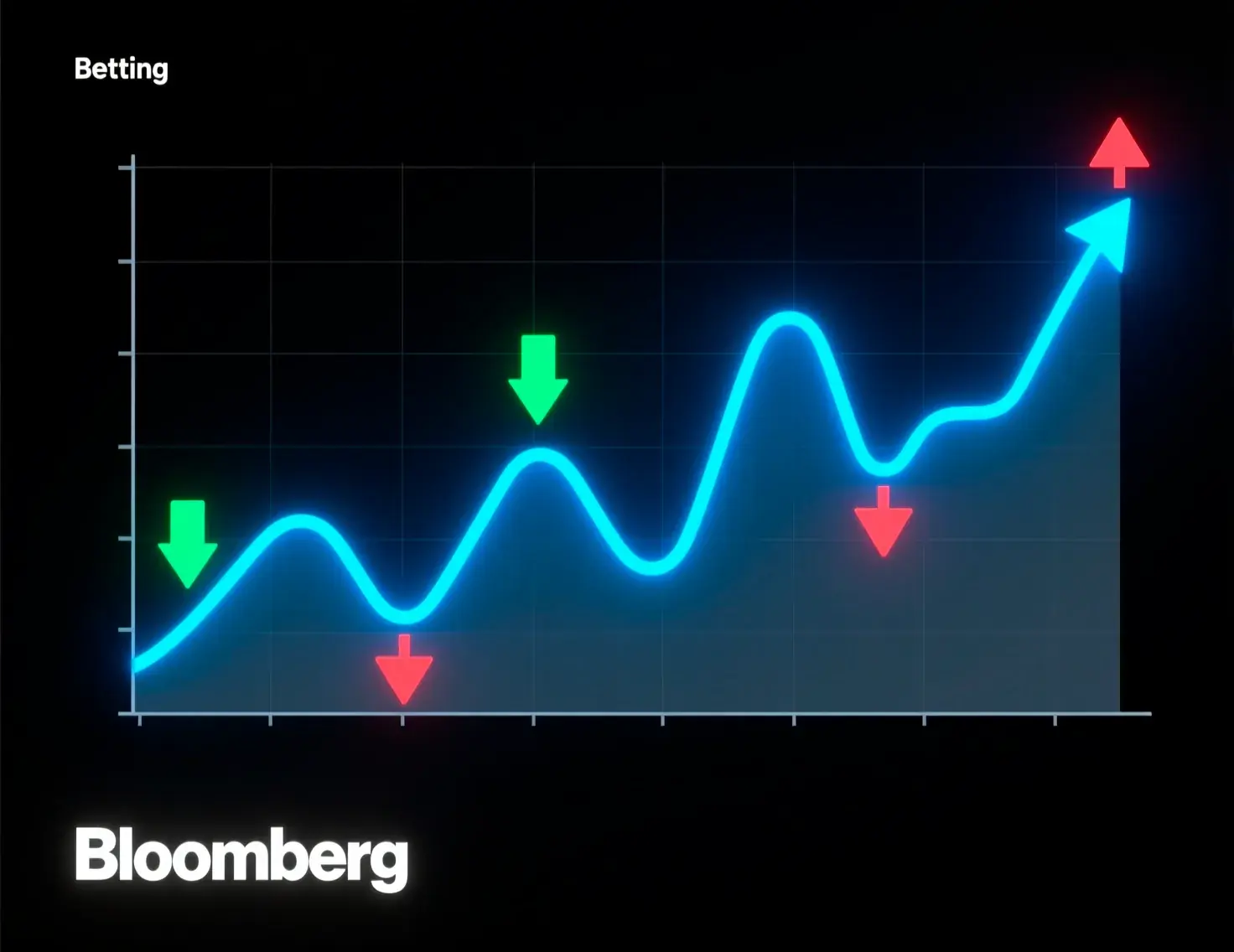
Information-driven movements occur when genuinely new data about match outcomes enters the market. Team news announcing a star striker’s injury absence should push odds on his team outward (longer odds) as their win probability decreases. Weather forecasts predicting heavy rain might shorten odds on defensively solid underdogs while lengthening odds on possession-heavy favorites who struggle in wet conditions. These movements reflect legitimate reassessments of outcome probability.
The challenge lies in separating information movements from noise. Not every odds change reflects meaningful information. Sometimes bookmakers adjust odds preemptively based on anticipated rather than actual information. If Bayern typically rests key players in the match before Champions League fixtures, bookmakers might adjust odds for that Bundesliga match days in advance, before lineup announcements confirm rotations. Betting into these preemptive adjustments when you expect normal lineups creates value.
Sharp money movements follow patterns recognizable to experienced odds watchers. Sharp bettors place large stakes early, forcing bookmakers to adjust odds before recreational volume arrives. If you see significant odds movements in the hours immediately after opening, particularly across multiple sharp bookmakers simultaneously, sharp action likely drove those changes. The new odds probably represent more accurate probability than opening odds did.
I respect sharp movements and typically avoid betting against them unless my research uncovered information the market seems to be missing. If sharp money pushes Dortmund from 2.20 to 2.00 against Leipzig, I’m not backing Leipzig at shortened odds without strong justification. Sharp bettors maintain edges through superior information, faster processing, or better probability estimation—betting against their collective wisdom requires exceptional confidence in your analysis.
Public money movements show different characteristics. Recreational betting volume concentrates near match time, particularly Saturday afternoons when most Bundesliga fixtures occur. If odds drift significantly in the final 24 hours before kickoff, that often reflects public money rather than sharp action. Public bettors favor certain narrative-driven selections: big clubs, attacking teams, overs in goal markets. When these preferences push odds in predictable directions, opportunities sometimes exist betting opposite the public.
Steam moves represent sudden, sharp odds changes across multiple bookmakers simultaneously, indicating large smart money hitting the market. Steam originates from betting syndicates or very sharp individual bettors placing significant stakes across different books within minutes. Bookmakers respect steam moves, immediately adjusting odds even if they haven’t taken direct action themselves. Following steam by betting after the move usually proves unprofitable because odds have already corrected. But understanding what caused steam moves helps you make similar reads independently in future situations.
I’ve learned to track odds movements starting from opening lines several days before matches through kickoff. This timeline reveals different phases of market efficiency. Opening odds sometimes contain errors that sharp money quickly corrects. Mid-week adjustments often reflect team news and tactical information becoming public. Final 24-hour movements tend toward liability balancing rather than information incorporation. The most value typically exists either betting very early if you spot mispricings before sharp action corrects them, or waiting until late if you’re confident public money has pushed odds away from true probability.
Bundesliga odds movements show league-specific patterns worth recognizing. Bayern matches rarely see dramatic odds swings because their dominance is so thoroughly priced in—even significant news rarely shifts their odds substantially. Mid-table matches show more volatility as uncertainty about relative team quality creates less confident initial pricing. Relegation battles late in seasons produce wild odds swings as each match carries enormous survival implications that markets struggle pricing precisely.
Reverse line movement presents particularly interesting situations where odds move opposite the betting percentages. If 70% of bets land on Leverkusen but their odds lengthen rather than shorten, sharp money is clearly betting the other side despite being outnumbered by public action. Bookmakers respect sharp money more than public volume, adjusting odds toward sharp positions even when it increases liability on popular sides. Reverse line movement often signals that sharp bettors have information or analysis that public hasn’t incorporated.
Finding the Best Bundesliga Odds (Odds Shopping)
Odds shopping—comparing prices across multiple bookmakers and always taking the best available odds—sounds obvious but remains among the most overlooked fundamentals in sports betting. The difference between 2.20 and 2.30 odds seems minor on individual bets but compounds dramatically over hundreds of wagers, often determining whether you profit or lose long-term.
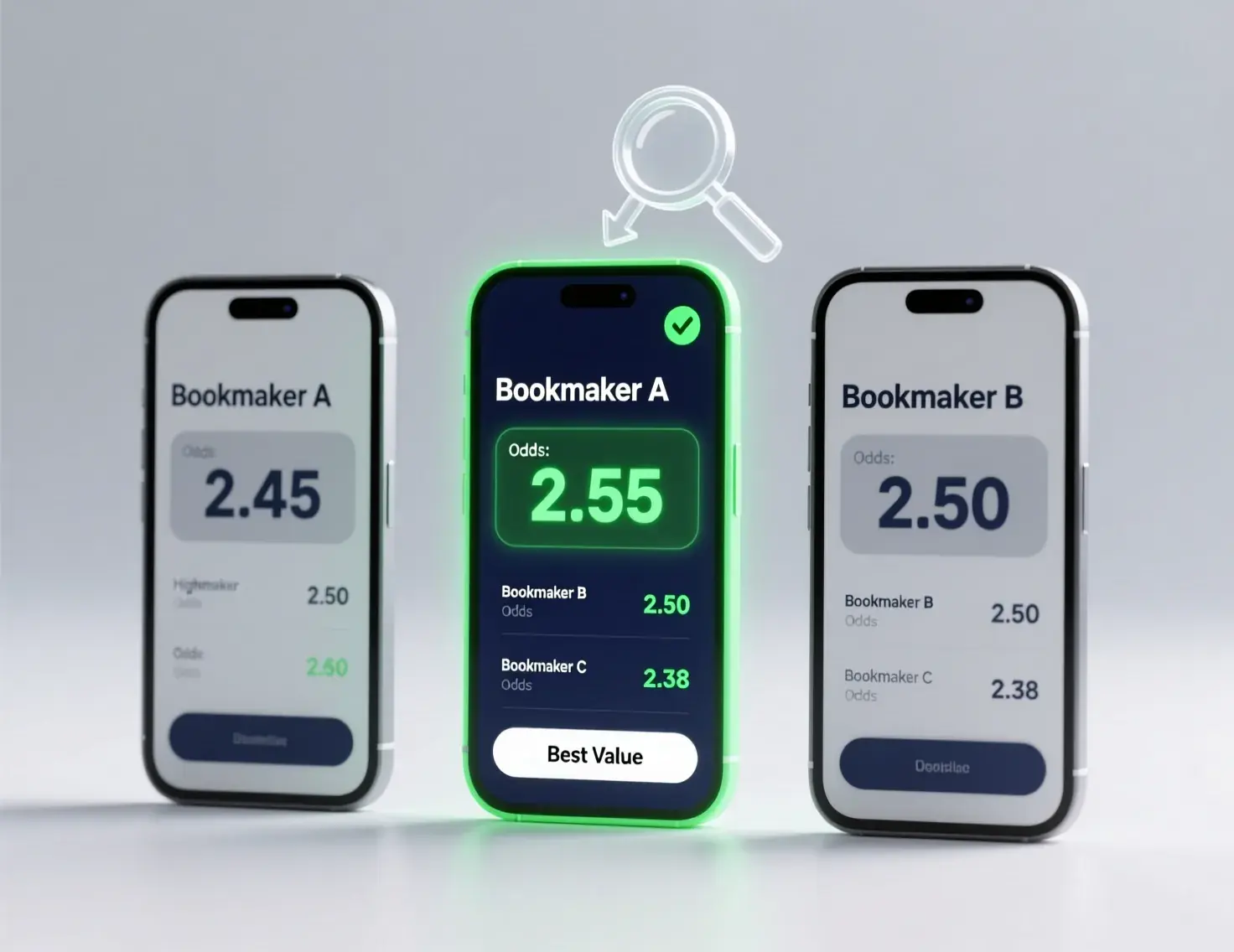
Mathematical impact of odds differences: backing winners at 2.20 instead of 2.30 costs you 4.3% in returns. If you maintain 55% accuracy at 2.20 average odds, you break even. That same 55% accuracy at 2.30 average odds yields 26.5% ROI. This isn’t theoretical—over a season of 100 Bundesliga bets, consistently getting 5% better odds translates to substantial profit differences that determine success or failure.
Setting up accounts at multiple bookmakers provides access to odds shopping but requires thoughtful bookmaker selection. You want diversity across different bookmaker types: at least one sharp book like Pinnacle that offers the best raw odds but limits winning bettors quickly, several mid-tier recreational books with decent odds and more tolerance for winning players, and maybe one premium book with excellent odds but stricter limits. This portfolio ensures you can always access good odds while spreading action to avoid drawing unwanted attention.
I maintain active accounts at six bookmakers across different regulatory jurisdictions and bookmaker styles. This might seem excessive, but different books price different markets best. Pinnacle typically offers best odds on major Bundesliga matches but their smaller market coverage means you need alternatives for niche bets. Bet365 provides excellent odds breadth even if not always the sharpest prices. Regional German bookmakers sometimes misprice Bundesliga matches where they carry home bias or excessive liability concerns.
Odds comparison sites aggregate prices from dozens of bookmakers, showing best available odds for each outcome in seconds. OddsChecker, Oddspedia, OddsPortal—these tools save enormous time versus manually checking individual bookmaker sites. But comparison sites show limitations: they display only featured bookmakers in your region, odds update with slight delays creating potential discrepancies, and they can’t account for personalized restrictions different bookmakers may place on your specific account.
I use comparison sites for initial screening, identifying which bookmakers likely offer best odds, then verify actual available odds by logging into those bookmakers directly before placing bets. This catches situations where comparison sites show stale odds that changed moments earlier, or where my account specifically faces restrictions not reflected in general odds displays.
Timing affects odds shopping strategy. For major Bundesliga matches, odds converge toward market consensus as kickoff approaches—early in the week you might see 0.10-0.15 decimal odds spread between bookmakers, but by Saturday afternoon that often tightens to 0.03-0.05. This convergence means early odds shopping offers greater potential advantages, but also higher risk if you’re wrong because you’ve locked in prices before late-breaking information emerges.
I prefer betting earlier in the week when odds spreads remain wide, accepting the information risk in exchange for better prices. But this requires confidence in pre-match analysis and willingness to absorb variance from late-breaking news like unexpected lineup changes. More conservative bettors might wait until closer to kickoff, accepting tighter odds spreads in exchange for more complete information. Neither approach is universally superior—it depends on your research process, risk tolerance, and confidence levels.
Asian bookmakers, particularly those operating in sharp markets, often price Bundesliga odds more efficiently than European recreational books. Accessing these markets requires using betting exchanges or Asian-facing bookmakers that accept Western customers. The effort pays off through consistently better odds, especially on Asian handicap markets where liquidity runs deep and margins remain tight. But Asian books often limit or ban winning bettors more aggressively than European operators, requiring account management strategies.
Betting exchanges like Betfair present unique odds shopping opportunities because you’re betting against other customers rather than bookmakers. Exchange odds typically offer better value than traditional bookmakers, with effective margins around 2% compared to 4-6% at recreational books. But exchanges carry their own learning curve—understanding back versus lay betting, commission structures, and liquidity constraints. For serious Bundesliga betting, mastering exchange betting becomes essential rather than optional.
The practical workflow for consistent odds shopping: identify matches you want to bet several days before kickoff, set up odds tracking to monitor movements across your bookmaker portfolio, decide preliminary positions based on your analysis, wait for optimal odds timing based on anticipated movements, execute bets at the bookmaker offering best price at your chosen moment. This systematic approach ensures you’re not leaving money on the table through lazy betting habits.
Bundesliga Odds Compared to Other Major Leagues
Bundesliga betting odds operate within the same fundamental framework as other European leagues, but specific characteristics of German football create distinct pricing patterns worth understanding. These differences reveal opportunities that don’t exist in Premier League or La Liga betting markets.
Bayern Munich’s historical dominance compresses odds on their matches more extremely than even Manchester City in England or Barcelona in Spain. When Bayern face mid-table opposition, odds routinely reach -400 or -500 (1.25 to 1.20 decimal)—so short that meaningful value rarely exists on Bayern themselves. The market has priced in their dominance so thoroughly that you’d need 85-90% accuracy backing them at these odds to profit long-term, which is nearly impossible given inevitable variance.
This creates interesting strategic implications. Rather than backing Bayern straight up at prohibitive odds, better value often lives in alternative markets: handicaps, total goals, or specific in-match props where odds aren’t as compressed. Or simply avoid Bayern matches entirely, focusing betting attention on the other eight fixtures each matchday where odds reflect greater uncertainty and value opportunities exist more frequently.
Bundesliga totals markets differ significantly from other leagues due to German football’s attacking philosophy. Over 2.5 goals hits at 63% compared to 55% in Premier League and 48% in Serie A. Bookmakers obviously know this and price totals accordingly, but market psychology sometimes undervalues just how goal-heavy German football runs. I’ve found better success backing overs in Bundesliga than in more defensive leagues because even when bookmakers adjust for attacking tendencies, they don’t quite capture the full extent of goal-scoring frequency.
Mid-table unpredictability creates wider odds spreads in Bundesliga than in more stratified leagues. English Premier League shows massive quality gaps between top six and everyone else, making match odds fairly predictable outside of direct top-six clashes. Bundesliga’s mid-table remains far more chaotic—teams ranked 7th through 14th show remarkable parity, creating situations where odds on matches between these sides offer genuine uncertainty rather than false uncertainty that still favors one side heavily.
Home advantage pricing varies across leagues, with Bundesliga bookmakers giving greater weight to home field than English or Spanish odds-makers. This partially reflects reality—German football’s intense supporter culture creates genuine home advantages—but sometimes bookmakers overcompensate, particularly for clubs where home advantage is overrated relative to actual results. Finding these discrepancies requires tracking club-specific home-away splits rather than assuming league-wide home advantage applies uniformly.
The betting public behaves differently across leagues, creating varying market inefficiencies. Premier League attracts enormous recreational betting volume, particularly from Asian markets, creating significant public bias on big clubs that sharp bettors exploit. Bundesliga sees less recreational volume relative to sharp action, making markets somewhat more efficient but also creating different exploitable patterns where public bias exists.
I’ve noticed Bundesliga odds on non-televised matches between mid-table sides often receive less scrutiny than equivalent Premier League fixtures. Every English top-flight match attracts global attention and sophisticated analysis. Random Tuesday Bundesliga matches between Freiburg and Bochum? Far less attention and bookmaker resources devoted to pricing these accurately, creating opportunities for those willing to research them properly.
Live Betting Odds in Bundesliga Matches

In-play Bundesliga odds transform throughout matches, creating dynamic betting opportunities unavailable pre-match. But live betting presents distinct challenges because odds adjust with frightening speed while you’re making decisions under time pressure. Understanding how in-play odds behave separates profitable live betting from expensive impulsive gambling.
Live odds react immediately to match events—goals, red cards, penalties—often before you’ve even seen the incident if you’re watching with any broadcast delay. I’ve been in situations where I see odds collapse on an outcome seconds before the goal registers on my stream, meaning someone betting live with faster information has moved the market before most people even know what happened. This information timing disadvantage makes live betting challenging unless you’re at the stadium or have access to feeds faster than standard broadcasts.
The sophistication in live betting comes from recognizing when odds overreact to events. A goal fundamentally changes match probability, obviously, but often not as dramatically as immediate odds movements suggest. Bayern conceding first at home to a mid-table side crashes their odds from maybe 1.30 to 2.00 instantly—a massive swing. But if you’re watching the match and Bayern is dominating possession, creating chances, and playing far better than the scoreline suggests, those inflated odds might offer exceptional value before performance inevitably translates into goals.
I focus live betting on matches where I’ve done pre-match research and am watching in real-time. The research provides context for evaluating whether live odds reflect true probability or overreaction to variance. Watching eliminates the information timing disadvantage because I’m seeing events simultaneously with odds movements rather than betting blindly based on statistics that lag actual match flow.
Bundesliga’s high-scoring nature creates particularly volatile live odds. In leagues where 1-0 leads feel relatively secure, live odds adjust more moderately after goals. German football’s attacking philosophy means 1-0 rarely feels safe—the trailing team keeps attacking aggressively and second goals arrive frequently. This volatility creates opportunities when odds swing more dramatically than warranted by actual probability shifts.
Cash-out functionality in live betting requires careful evaluation. Bookmakers offer cash-out prices that let you settle bets before matches conclude, locking in profits or cutting losses. But these offers are heavily juiced—you’re effectively betting against yourself at unfavorable odds. I generally avoid cash-out unless circumstances have changed dramatically from my pre-match assessment, preferring to let well-reasoned bets run their course rather than paying bookmaker margins to exit positions prematurely.
The mental game of live betting demands discipline that many bettors lack. The pressure of rapid decisions, emotional swings from watching matches, and availability of instant action create impulsive betting that destroys bankrolls. I maintain strict rules about live betting: only bet on matches I’ve researched pre-match, only when I’m watching live, and only when odds diverge meaningfully from my probability assessment. This discipline prevents the “bet on everything” mentality that live betting encourages.
Bundesliga Odds Strategy: How to Use Market Prices More Effectively
Understanding Bundesliga odds mechanics transforms betting from gambling to calculated decision-making. The frameworks outlined here—comprehending odds formats, recognizing how bookmakers construct prices, reading movements for market intelligence, consistently shopping for best odds, and approaching live betting strategically—provide foundations for identifying genuine value in German football betting markets.
The sophistication separating profitable odds analysis from casual betting lies in recognizing that odds encode far more information than just simple probabilities. They reveal bookmaker confidence levels, market psychology, sharp money movement, and occasional mispricings where diligent research uncovers edges. Bundesliga’s unique characteristics—Bayern’s fluctuating dominance, attacking football philosophy, passionate home support—create specific patterns in odds that don’t appear in other leagues.
Success comes from systematic application rather than sporadic effort. Maintain accounts at multiple bookmakers, comparison shop every bet, track odds movements to understand market forces, and continuously refine your ability to calculate true probability versus bookmaker-implied odds. These habits compound into substantial edges over seasons and years of Bundesliga betting.
Beat the strict odds bookmakers via bundesliga bet.
