

Bundesliga Betting Tips: How to Build Better Match Predictions
Bundesliga betting tips flood the internet every matchday, promising guaranteed winners and inside information that bookmakers supposedly haven’t priced into their odds. I’ve been around this game long enough to recognize that most of these tips are either recycled surface-level analysis or outright guesses dressed up with confident language. The reality? Genuine betting value comes from developing analytical frameworks that you can apply consistently rather than following random strangers on Twitter who had a good weekend.
What separates useful Bundesliga betting tips from noise? The difference lies in methodology rather than results. Anyone can get lucky for a few weeks—variance guarantees short-term success even for terrible analysis. But sustainable edge emerges from systematic approaches to evaluating matches, understanding what drives results in German football specifically, and recognizing when market odds diverge from actual probability. That’s what we’re building here: not specific match predictions that’ll be outdated by next weekend, but frameworks you can use throughout the season.
I’ve spent years watching Bundesliga matches, tracking betting results, and refining approaches that consistently find value in German football markets. The league’s unique characteristics—attacking philosophy, strong home advantage, Bayern’s fluctuating dominance—create patterns that reward specific analytical angles. But those patterns aren’t obvious, and they certainly aren’t captured by glancing at league tables and recent results like most casual betting tips suggest.
This guide focuses on teaching you how to generate your own high-quality Bundesliga betting tips rather than providing pre-packaged selections. You’ll learn the research checklist that should precede every bet, how to analyze form with proper context, what home and away splits actually reveal, and which markets offer the best opportunities for different betting styles. By the end, you won’t need to follow tipsters—you’ll understand the process that separates profitable analysis from expensive guessing.
The 2026/27 Bundesliga season presents fresh opportunities as usual. Bayern Munich entered as favorites despite Bayer Leverkusen proving that dominance isn’t inevitable. New managers at several clubs—Eintracht Frankfurt, Borussia Mönchengladbach, and Wolfsburg among others—bring tactical uncertainty that creates market inefficiencies. Promoted sides Hamburg and Köln return with ambitions beyond mere survival, while the usual mid-table chaos promises unpredictability that sharp bettors exploit. Let’s dig into how to capitalize on all of it.
Building Your Bundesliga Research Framework

Effective Bundesliga betting starts with a consistent research process applied to every match you consider backing. Random approaches produce random results—sometimes winning, sometimes losing, never reliably profitable. The framework I’ve developed over years of German football betting ensures you’re evaluating matches across all dimensions that materially impact outcomes.
Team news sits at the foundation because nothing else matters if your analysis assumes Harry Kane starts for Bayern when he’s actually being rested. Injury reports and suspension lists need checking the day before matches at minimum, preferably closer to kickoff when final lineups become clearer. Transfermarkt maintains detailed German football injury tracking updated regularly, while beat reporters on Twitter often break lineup news hours before official announcements.
But don’t just note who’s missing—analyze what those absences mean tactically. Bayern without Kane loses their primary goal threat and target for crosses. Dortmund missing their starting center-backs forces tactical adjustments that might leave them vulnerable to counter-attacks. Leipzig without their first-choice midfield pair struggles with pressing intensity that defines their playing style. Context around absences matters as much as the absences themselves.
Motivation and stakes create intensity differentials that statistics don’t capture. A relegation-threatened side hosting a mid-table team with nothing to play for brings desperation visible in every tackle and sprint. The mid-table team might technically be superior, but without equivalent motivation, that quality advantage diminishes. Similarly, teams facing crucial European fixtures three days later often rotate key players or mentally prioritize the bigger match—creating opportunities for alert bettors.
I’ve watched enough Bundesliga seasons to recognize that late-season dynamics completely reshape normal patterns. Teams safe from relegation but lacking European ambitions sometimes sleepwalk through final matchdays. Sides chasing Champions League qualification or battling relegation play with intensity that overmatched quality. Historical performance during high-stakes situations reveals which teams handle pressure and which collapse—information worth gold when assessing similar current scenarios.
Head-to-head history matters more than many analytics-focused bettors acknowledge. Some matchups produce consistent patterns that defy current form or league position. Köln might struggle all season yet historically trouble Bayern. Augsburg’s defensive approach specifically frustrates Dortmund’s attacking patterns. Five years of head-to-head data reveals these persistent tactical mismatches that recent form doesn’t explain.
Look beyond just results to how matches unfolded. Did Bayern dominate possession and chances while somehow losing 2-1 to an underdog, or did the underdog genuinely outplay them? Goals matter, obviously, but the process that generated those goals indicates whether patterns are sustainable or variance-driven. A team winning three straight through late penalties and opponent own-goals probably isn’t as good as their record suggests.
Weather impact gets underestimated in betting analysis, particularly for a league playing through genuine winter. Heavy rain transforms matches by slowing play, increasing defensive errors through poor footing, and generally favoring physicality over technical precision. Strong winds particularly affect passing teams that rely on building from the back—long balls become safer than intricate possession play. Temperature extremes—unseasonable heat in August or brutal January cold—impact fitness and recovery in measurable ways.
Referee assignments matter significantly if you’re betting props rather than just match results. Certain officials statistically award more penalties, show more cards, or allow more physical play. For card markets or corners betting, referee tendencies provide genuine edges. Transfermarkt tracks referee statistics including average cards per match and penalties awarded—information that sharp prop bettors incorporate into every analysis.
Understanding Form Analysis for German Football
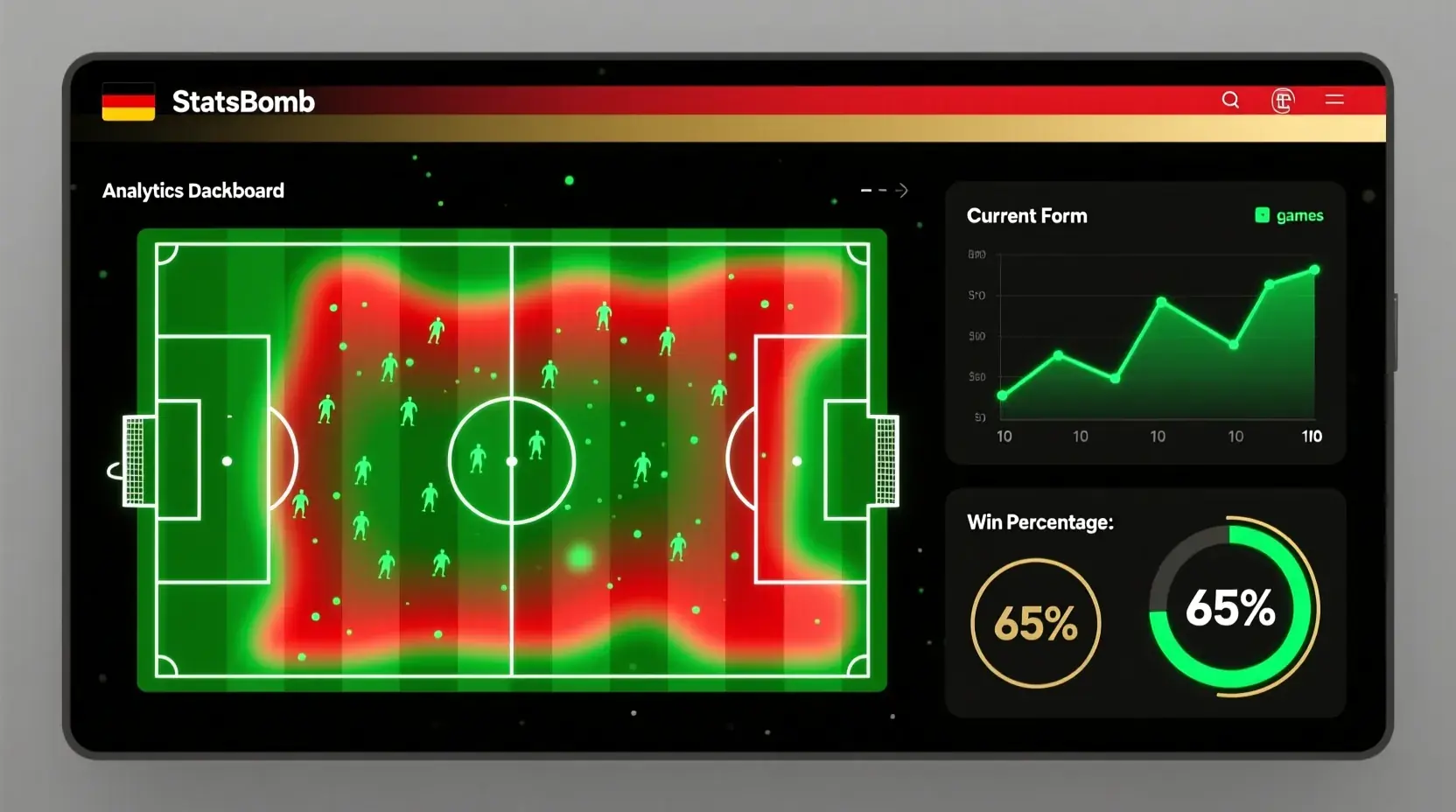
Form analysis represents the most common betting research component yet remains chronically misunderstood by casual bettors. Checking recent results provides surface information while missing context that determines whether those results represent genuine quality shifts or temporary variance. Sophisticated form analysis requires digging several layers deeper than most bettors bother.
Recent results matter, obviously, but five-game form guides tell incomplete stories. A team’s last five matches might include two against relegation candidates and three during injury crises affecting opponents. That 4-1-0 record looks impressive until you recognize the schedule strength made those results likely rather than surprising. Context around who teams played and under what circumstances transforms raw records into meaningful analysis.
I weight matches differently based on opponent quality when evaluating form. Beating Bayern 3-1 tells you dramatically more about a team’s current level than scraping past promoted sides. Similarly, losing narrowly to league leaders while dominating chances suggests better underlying quality than the result indicates. Expected goals (xG) data helps distinguish genuine performance from results influenced heavily by variance—information bookmakers increasingly incorporate into their odds.
Fixture scheduling creates form patterns that simple record checking misses. Teams playing three matches in seven days often show fatigue effects in the third match regardless of earlier results. European competitions midweek drain energy from weekend Bundesliga fixtures, particularly for clubs with thin squads. Calendar-aware form analysis recognizes when teams face congestion versus when they’ve enjoyed full weeks of recovery and preparation.
Tactical changes mid-season completely reset form trajectories. New managers typically produce short-term bounces through motivation and fresh approaches, but those bounces often prove unsustainable once initial enthusiasm fades. Conversely, established managers implementing new systems might show poor short-term results during transition periods before quality emerges. Understanding whether current form reflects sustainable changes or temporary variance separates sharp analysis from surface-level observation.
Goal-scoring and conceding patterns reveal more than aggregate records suggest. A team might be winning recently while depending entirely on one striker having an unsustainable hot streak. Another might be losing despite creating chances at rates that predict future success once finishing regresses to normal. Underlying metrics—shots, chances created, defensive actions—indicate whether results match performance or if variance is temporarily distorting quality.
Home versus away form requires separate analysis because many Bundesliga teams show dramatic splits. Some clubs dominate at home while struggling away regardless of opponent quality. Others show minimal location dependence but face different tactical approaches in each context. Aggregating home and away performances into single form assessments obscures patterns that specifically predict outcomes based on match location.
I track not just whether teams are winning but how they’re winning. Grinding out 1-0 victories through defensive solidity represents different quality than winning 4-3 shootouts where both sides created freely. The former suggests defensive organization that might frustrate attacking teams; the latter indicates porous defenses that higher-quality opponents will exploit. Process matters more than results when projecting future performance.
Home Advantage and Away Performance in Bundesliga

Home advantage in Bundesliga proves stronger than most European leagues, creating systematic opportunities for bettors who properly account for location effects. But home advantage isn’t uniform—some clubs benefit dramatically while others show minimal splits, and those differences matter immensely when evaluating betting value.
German football culture produces particularly intense home atmospheres. Stadiums fill with passionate supporters creating hostile environments for visiting sides. Borussia Dortmund’s Yellow Wall—the largest standing terrace in European football—exemplifies how atmosphere can intimidate opponents and energize home sides. When analyzing matches, I specifically consider which venues create the most oppressive environments for away teams.
Statistical analysis confirms the anecdotal intensity. Bundesliga home teams historically win approximately 45-48% of matches, compared to 25-28% for away sides and 24-27% draws. Those percentages translate into genuine betting edges when bookmakers under-price home favorites or over-estimate away team chances. Home advantage might be “known” information, but proper quantification reveals when markets haven’t adequately priced it.
Individual club home-away splits vary dramatically beyond league averages. Certain teams show fortress mentalities at home—winning 80%+ of home matches while struggling to reach 30% away. Others display minimal location dependence, performing consistently regardless of venue. Understanding club-specific patterns allows sharper predictions than applying league-wide averages universally.
I maintain a database tracking each Bundesliga club’s home and away performance across multiple seasons. Union Berlin, for example, historically punches above weight at home while struggling away. Hoffenheim shows relatively balanced splits. Bayern dominates everywhere but particularly at Allianz Arena. These patterns compound into edges when evaluating specific matchups—a strong home team hosting a poor away side creates value even if overall team quality seems balanced.
Attendance levels affect home advantage magnitude, though perhaps less dramatically than casual observers assume. Even with reduced crowds, home teams still win more frequently, suggesting factors beyond crowd noise contribute to location advantage. Familiarity with pitch dimensions, travel fatigue for away sides, and referee biases (subtle but measurable) all contribute to persistent home advantage regardless of attendance.
Travel distances matter more in Germany than compact leagues like England. Matches requiring 500+ kilometer trips create measurable fatigue effects beyond normal away performance. Hamburg traveling to Freiburg faces longer journey than domestic rivals. When assessing away performance, I specifically note whether historical data includes predominantly short versus long-distance travel—the latter might depress statistics artificially.
Tactical approaches shift dramatically based on location. Home teams typically play more aggressively, pressing higher and committing more players forward. Away teams often adopt defensive postures, prioritizing solidity over attacking ambition. These tactical shifts affect which betting markets offer value—overs might appeal for attacking home sides, unders for defensive away setups.
Referee location biases prove statistically significant though bookmakers seem slow to price them adequately. Home teams receive fewer yellow cards and more favorable penalty decisions than pure chance would suggest. For bettors focused on card markets or penalty props, incorporating referee home bias into analysis creates genuine edges that casual observation misses.
Betting Markets and Strategies for Bundesliga

Different betting markets suit different analytical strengths and risk tolerances. Bundesliga’s attacking nature and specific competitive dynamics create opportunities across various market types if you understand which situations favor each approach.
Match result betting (1X2 markets) offers simplicity but requires accurately predicting outcomes among three possibilities. Home win, draw, away win each require different confidence thresholds to represent value given typical odds distributions. I focus match result betting on matches where one outcome seems significantly more likely than bookmakers price—strong home favorites against weak away sides, or motivated underdogs facing complacent favorites.
Over/under goals markets particularly suit Bundesliga analysis because German football produces relatively high-scoring matches compared to defensive leagues like Serie A. Average Bundesliga matches feature approximately 3.0-3.2 total goals, above most European leagues. But that average masks significant club-specific variation—some teams consistently produce high or low-scoring matches regardless of opponent.
I track each team’s over/under record across seasons to identify consistent patterns. Teams with attacking philosophies and defensive weaknesses reliably produce overs regardless of opponent. Defensive-minded clubs regularly produce unders. When two attacking teams meet or two defensive sides clash, the goal total predictions become clearer than bookmakers sometimes price.
Both teams to score (BTTS) represents another Bundesliga-friendly market given offensive tendencies. Many Bundesliga teams prioritize attacking even from losing positions rather than parking buses, increasing likelihood both sides find the net. BTTS bets succeed around 50-55% in Bundesliga compared to 45-48% in more defensive leagues, creating systematic advantages if properly applied.
Identifying matches where BTTS offers value requires analyzing both offensive and defensive statistics for each side. Teams with strong attacks but porous defenses make ideal BTTS candidates. Matches between mid-table sides often produce BTTS results as neither team has defensive solidity to shut out opponents completely. I avoid BTTS when elite defensive sides or particularly poor attacking teams are involved.
Asian handicap markets eliminate draw possibilities while adjusting for quality differences through goal handicaps. These markets particularly suit matches where significant quality gaps exist but odds on straight wins don’t offer value. Bayern favored by 2.5 goals against a relegation candidate might offer better value than the -500 match result odds suggest.
Correct score betting offers lottery-like payouts but requires exceptional precision rarely achievable consistently. I generally avoid correct score markets except in specific situations where tactical setups and historical patterns strongly suggest specific scorelines. Defensive matchups between low-scoring teams might make 1-0 or 0-0 predictions reasonable, but even then, variance dominates.
First half/second half markets create opportunities because some teams consistently start slow or strong. Tracking these patterns reveals which teams regularly trail at halftime despite quality advantage, or which sides protect leads rather than extending them. Statistical edges emerge when bookmakers don’t fully price these within-match patterns.
Player props—anytime goalscorer, shots, assists—require different analytical frameworks focusing on individual rather than team performance. Certain strikers score with remarkable consistency even when team performance varies. Others depend heavily on service quality. For player props, I analyze individual statistics, playing time expectations, and specific matchup dynamics affecting that player’s role.
Corner markets offer value when tactical mismatches create systematic advantages. Teams that press aggressively force corners through winning the ball high. Sides playing compact defenses concede corners while limiting shots. Historical corner statistics by matchup reveal patterns that bookmakers sometimes misprice, particularly when focus remains on goals rather than secondary markets.
Weekly Betting Routine and Bankroll Management
Systematic weekly routines separate disciplined bettors from those making reactive decisions based on whatever catches attention. Here’s the framework I’ve developed through years of Bundesliga betting that keeps analysis consistent and emotions controlled.
Sunday evenings after the previous matchday concludes, I scan upcoming fixtures to identify potentially interesting matches worth deeper analysis. This isn’t about immediately picking winners—it’s about narrowing focus to fixtures where value might exist based on preliminary observations. Mismatches that bookmakers might misprice, tactical clashes favoring specific playing styles, or motivational disparities creating edges.
Early in the week—typically Monday or Tuesday—I conduct thorough research on selected matches. This is when I’m checking team news, analyzing form with proper context, reviewing head-to-head history, and calculating my own probability estimates before looking at bookmaker odds. The sequence matters: forming opinions before seeing odds prevents anchoring bias where your analysis unconsciously gravitates toward justifying whatever prices bookmakers have set.
Midweek, typically Wednesday or Thursday, I compare my probability assessments against available odds to identify value. Sometimes no value exists—my estimates align with market prices or suggest bookmakers have actually underpriced favorites I’d considered backing. When this happens, I simply don’t bet those matches. Edge comes from selectivity rather than forcing action on every fixture that caught initial interest.
Thursday or Friday, I place bets on matches where genuine value exists based on my analysis. Betting early in the week typically captures better odds before sharp money moves lines, but only if I’ve completed research adequately. There’s no virtue in betting Tuesday if I haven’t properly analyzed the fixture—better to bet Friday after thorough research than Wednesday with incomplete information.
Matchday itself, I monitor live betting opportunities on matches I’m watching. In-play betting requires different analytical frameworks than pre-match because you’re incorporating real-time information unavailable earlier. If a team I analyzed favorably is dominating possession while trailing due to an early fluky goal, in-play odds might offer exceptional value before performance translates into goals.
After each matchday, I review all bets—winners and losers—to evaluate whether my analytical process was sound regardless of results. Variance guarantees that some well-reasoned bets lose while poorly analyzed ones occasionally win. The question isn’t “did I win?” but “was my reasoning solid given information available when I bet?” Improving process over time compounds into better long-term results.
I maintain detailed records tracking not just results but the reasoning behind each bet. Over time, this database reveals which analytical approaches consistently find value versus those that sounded smart but don’t actually predict outcomes. Maybe home advantage matters more than I initially weighted it. Perhaps I’m overvaluing recent form versus historical patterns. Data-driven feedback loops separate improving bettors from those perpetually repeating the same analytical mistakes.
Master your unique betting strategy completely.
Evaluating Expert Bundesliga Tipsters

Following expert tipsters can supplement your own analysis, but distinguishing legitimate expertise from confident guessing requires scrutiny that most bettors skip. The internet overflows with self-proclaimed Bundesliga experts offering tips, yet most lack genuine value. Here’s how to separate wheat from chaff.
Track record transparency matters absolutely. Quality tipsters maintain publicly verifiable records with timestamps proving selections were published before matches occurred. Be immediately suspicious of anyone claiming 70-80% win rates without documented proof over substantial sample sizes—minimum 200 bets across a full season. Fabricating results is trivially easy when accountability doesn’t exist.
Look beyond win percentages to understand betting context. Someone hitting 55% on even-money bets is more impressive than 65% accuracy on heavy favorites at -300 odds. The former generates profit; the latter likely loses money after accounting for occasional upsets. Profitable betting comes from finding value, not just picking winners at any odds.
Reasoning matters more than bare selections. Strong tipsters explain their logic—form analysis, statistical edges, market mispricing—giving followers insight into methodology. If tips arrive without justification beyond “trust me,” they’re guesses rather than analysis. Learning from expert reasoning gradually improves your own analytical capabilities rather than keeping you perpetually dependent.
Realistic expectations separate professionals from scammers. Successful sports bettors target 54-56% accuracy on even-money bets—modest edges compounded through volume and discipline. Anyone promising 70% win rates or better is either cherry-picking short-term variance or lying. Profitable betting emerges from small edges amplified through consistency, not magical prediction abilities.
Specialization matters significantly. Tipsters focused exclusively on Bundesliga for years understand German football more deeply than those covering twenty leagues superficially. Depth beats breadth because subtle contextual understanding—which teams struggle with high presses, which managers rotate excessively during fixture congestion, which clubs have particularly strong home records—compounds into genuine expertise.
Free versus paid tips creates interesting dynamics. Many quality tipsters offer both, with free selections demonstrating expertise while premium services provide additional value. But be skeptical of anyone whose free tips consistently lose while claiming their paid selections win—that’s typically a scam structure designed to extract money from desperate bettors rather than legitimate tiered service.
I follow several Bundesliga tipsters whose analysis I respect, but I never blindly copy their selections. Instead, I use their perspectives as additional inputs into my own decision-making process. If three tipsters I trust are backing the same outcome I’d independently identified, that confluence strengthens my confidence. If they’re backing something I’d dismissed, I reconsider whether I’ve missed important factors.
Bundesliga Betting Predictions: How to Turn Research into Better Bets
Developing consistent Bundesliga betting tips requires systematic frameworks rather than sporadic hunches or blind faith in others’ analysis. The research checklists, form analysis approaches, home-away understanding, and market-specific strategies outlined here provide foundations for generating your own high-quality betting tips throughout the season.
The sophistication separating profitable Bundesliga betting from expensive guessing lies in details—not just whether teams are winning but how and against whom, not just home advantage generally but club-specific patterns, not just backing overs because “Bundesliga has goals” but identifying specific situations where high-scoring potential exceeds market expectations. These nuances compound into edges that casual analysis misses entirely.
Remember that even strong analytical frameworks produce losing runs through inevitable variance. The question isn’t whether you’ll encounter cold streaks—you will—but whether your process remains sound enough to generate profits over sufficient sample sizes. Discipline during rough patches separates bettors who eventually succeed from those who panic and abandon working systems after temporary disappointments.
Your edge in Bundesliga betting comes from applying consistent research frameworks that compound small advantages over time. Start with the approaches outlined here, track your results rigorously, and refine based on what actually predicts outcomes versus what just sounds analytical. Over time, you’ll develop expertise that generates betting tips rivaling or exceeding what you’d find from supposed experts charging for their selections.
Improve your monthly bankroll with bundesliga bet.
