
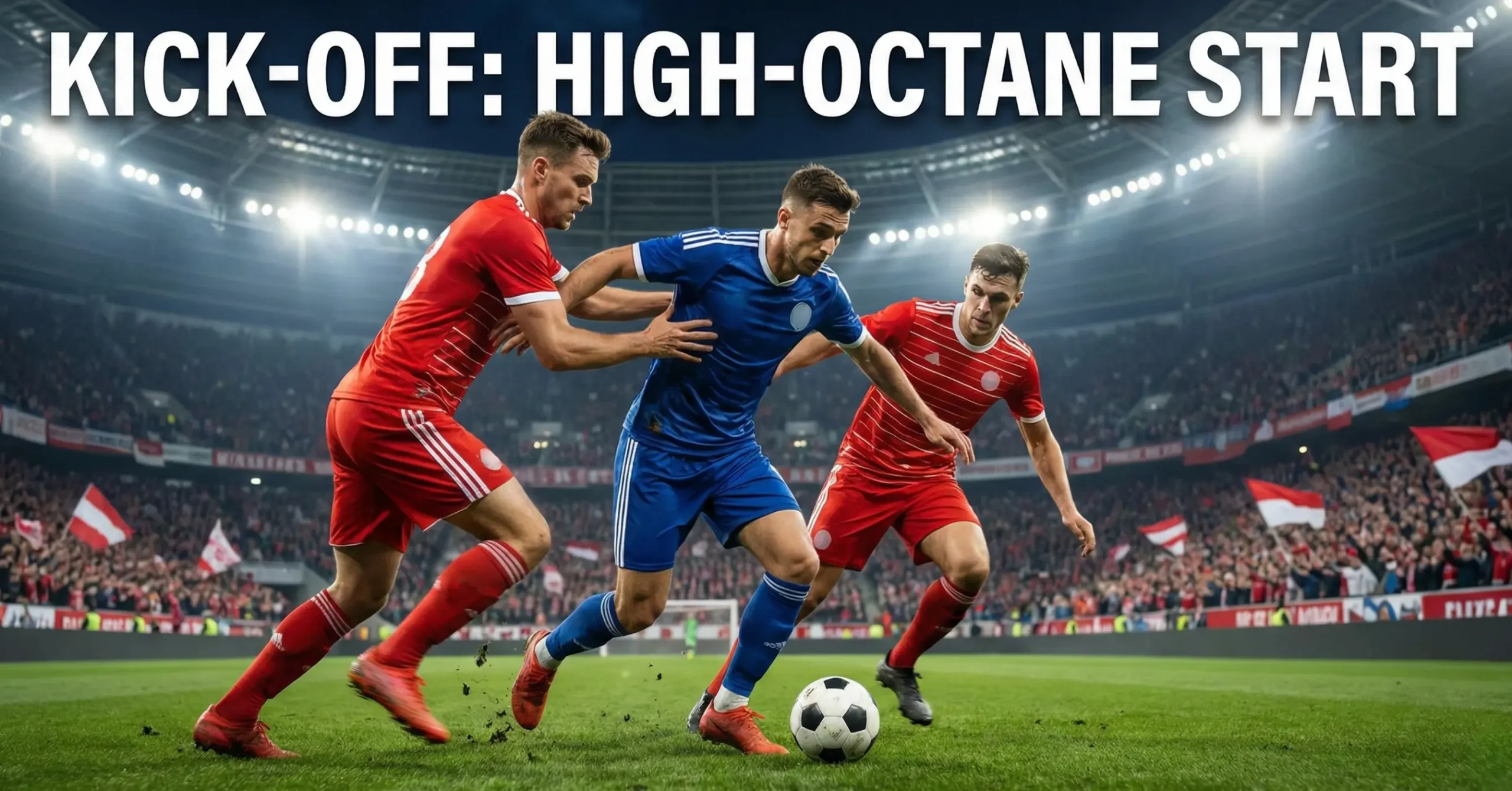
First-half betting isolates the opening 45 minutes of Bundesliga matches into a distinct betting proposition with different dynamics than full-match markets. Teams approach the first half differently than the second — tactical plans remain intact before opponent adjustments, physical freshness enables maximum intensity, and psychological factors like crowd energy peak before fatigue and frustration accumulate. Understanding these first-half-specific dynamics creates betting opportunities that full-match analysis cannot capture.
The Bundesliga’s attacking culture manifests particularly strongly in opening periods. Teams press aggressively from kickoff, attacking combinations flow before defensive fatigue creates gaps, and the league’s philosophical commitment to entertainment produces early goals at rates exceeding other major leagues. This first-half goal volume creates specific betting opportunities in timing-focused markets that separate opening-period dynamics from full-match outcomes.
First-Half Goals Market Analysis
Goals before halftime occur with remarkable consistency in Bundesliga football. Over 1.5 first-half goals hits in approximately 45-50% of matches — substantially higher than more defensive leagues produce. This elevated strike rate creates systematic opportunity when odds don’t fully reflect German football’s early-match attacking intensity.
The mechanism involves multiple factors that combine during opening periods. Fresh legs enable the pressing intensity that German football culture demands, creating turnover opportunities in dangerous areas. Tactical plans designed during the week execute at maximum effectiveness before opponent adjustments neutralize them. And crowd energy peaks during opening periods, particularly in atmospheric venues where supporters haven’t yet succumbed to frustration or distraction.
Specific team profiles create first-half goal opportunities beyond league averages. Some clubs consistently start matches strongly — pressing immediately, attacking directly, and scoring early before settling into more conservative second-half approaches. Identifying which current-season teams demonstrate this fast-start profile enables targeted first-half goals betting that league-wide data doesn’t capture.
Home teams particularly favor strong starts in the Bundesliga. The atmospheric advantage peaks before opposition acclimatizes, and tactical plans designed with home conditions in mind execute most effectively before away teams adjust. Backing home team first-half goals or home team first-half advantages captures this early-period home dominance that sometimes disappears as matches progress.
Half-Time Result Markets
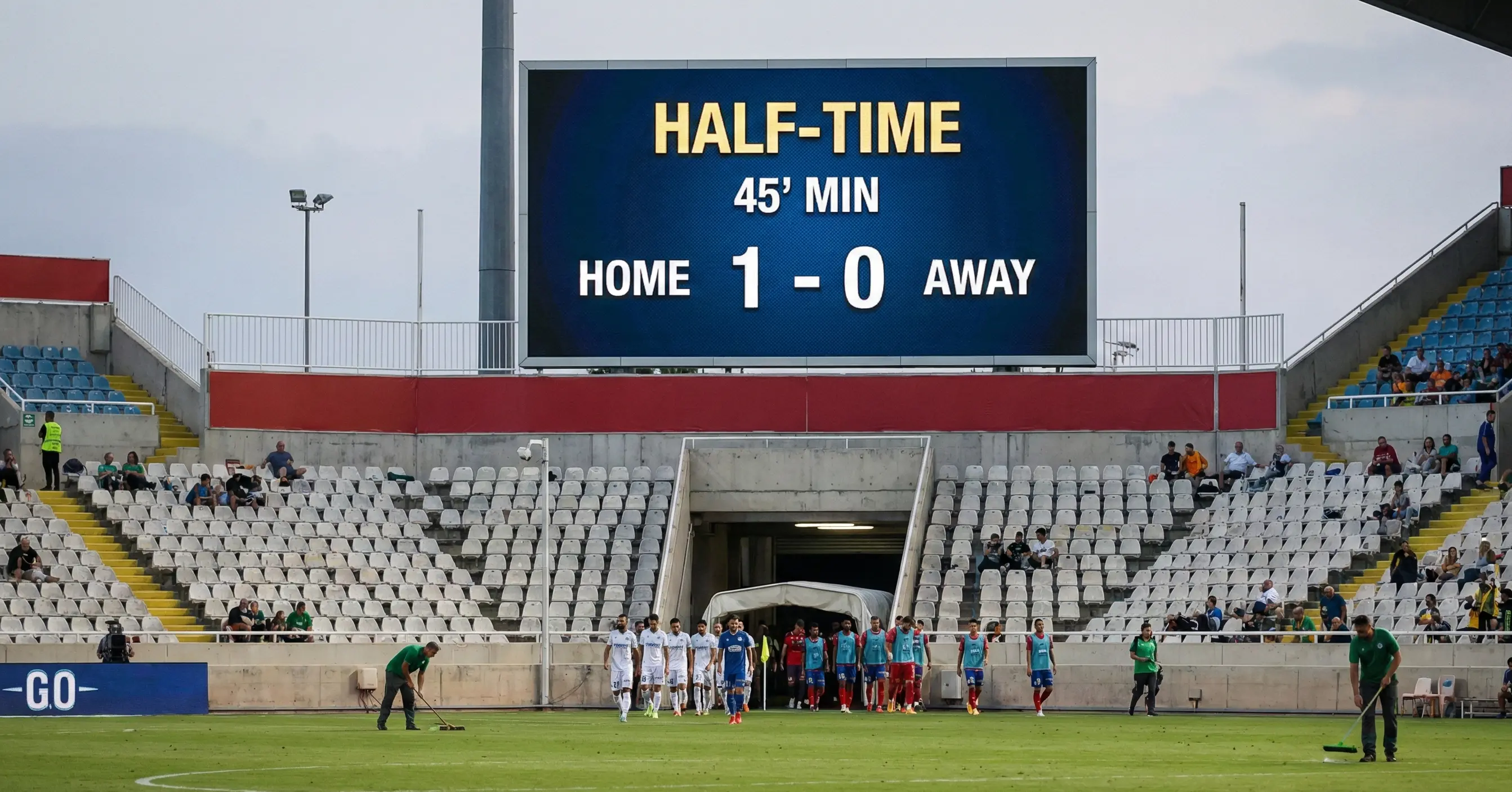
The half-time result market — predicting who leads (or whether teams are level) at the interval — offers different risk-reward profiles than first-half goals betting. Rather than predicting goal occurrence, you’re predicting which team holds the advantage after 45 minutes of play.
Home team leading at half-time represents the most common HT result in Bundesliga matches, occurring approximately 35-40% of the time. This base rate informs odds assessment — if available odds imply probability substantially below 35%, value exists for home team HT leads in typical matches. When specific factors (strong home form, weak away form, atmospheric venue, motivated home team) suggest probability exceeding baseline, backing home team HT leads becomes systematically profitable.
The draw at half-time occurs in approximately 35-40% of Bundesliga matches — more frequently than casual observation suggests. This substantial draw frequency creates opportunity when odds on HT draw imply lower probability than statistics support. Matches between evenly-matched teams particularly favor HT draws because neither side achieves early dominance that would establish half-time leads.
Away team leading at half-time represents the least common HT result (approximately 20-25% of matches), but this reduced frequency produces enhanced odds when specific circumstances favor away dominance. Elite teams visiting weaker opposition, or home teams suffering from injury absences or poor form, create situations where away HT leads become viable despite their general infrequency.
Team-Specific First-Half Patterns
Individual clubs demonstrate consistent first-half tendencies that selective betting can exploit. Some teams consistently produce first-half goals — whether through aggressive tactical approaches, specific player availability, or coaching philosophies that prioritize early intensity. Others start slowly before improving as matches progress, creating value on first-half unders or opponent HT leads despite their overall quality.
Bayern Munich exemplifies the fast-start profile at home. Their quality advantage typically manifests immediately as opponents struggle to cope with early pressing intensity. Bayern leading at HT in home matches against lower-half opposition occurs at rates approaching 60% — a frequency that often exceeds what available odds imply. Backing Bayern HT leads in appropriate fixtures captures this early dominance pattern.
Conversely, some clubs demonstrate slow-start tendencies that first-half betting can fade. Teams managed by coaches who prioritize defensive organization sometimes concede early initiative before asserting themselves after the break. Teams with fitness concerns or squad rotation sometimes start matches at reduced intensity. Identifying these patterns enables backing opponent HT leads or first-half draws at odds that full-match quality comparisons don’t justify.
The away team first-half dynamic particularly rewards analysis. Some clubs travel well and impose themselves immediately on opponent territories, while others require adjustment periods before performing to their potential. Tracking which clubs demonstrate strong away first-half records versus those that start slowly on the road improves selection accuracy for HT markets and first-half goals propositions.
Weather and Timing Considerations
Atmospheric conditions affect first-half dynamics in ways that full-match analysis might overlook. Cold afternoon kickoffs produce slower starts as players require warm-up time that pre-match routines don’t fully provide. Wet conditions create technical challenges that increase as pitches deteriorate, suggesting better conditions for first-half goals than second-half goals in some circumstances.
Evening matches produce different first-half dynamics than afternoon fixtures. The atmospheric intensity of night matches — particularly at venues with strong supporter cultures — creates emotional environments that favor aggressive opening periods. Backing first-half goals in evening matches at atmospheric venues captures dynamics that don’t apply to Sunday afternoon encounters at quieter stadiums.
Seasonal patterns affect first-half betting opportunities. Early-season matches feature peak fitness levels that enable sustained first-half pressing intensity. Late-season fixture congestion produces accumulated fatigue that sometimes suppresses early-match intensity as players manage physical resources across compressed schedules. Adjusting first-half expectations based on seasonal timing improves selection accuracy.
The winter break particularly affects first-half dynamics in post-resumption matches. Teams returning from the mid-season pause often start slowly as match fitness requires rebuilding. The first few matches after the break frequently produce slower first halves than pre-break form would suggest, creating opportunity for first-half unders or HT draws that seasonal rhythm analysis identifies.
Observe critical defensive metrics data.
Combining First-Half Markets
Strategic combination of first-half markets creates risk-reward profiles that individual propositions cannot achieve. Backing home team HT lead combined with over 0.5 first-half goals creates a proposition that requires home scoring by halftime — a more specific prediction than either individual market but at enhanced combined odds.
First-half BTTS represents another combination market that the Bundesliga’s attacking culture particularly favors. Both teams scoring before halftime occurs in approximately 20-25% of matches — lower than full-match BTTS rates but sufficient to consider when specific matchups suggest early mutual vulnerability. Open matches between attacking teams at atmospheric venues particularly suit first-half BTTS approaches.
Half-time/full-time (HT/FT) betting connects first-half assessment to full-match prediction. Backing a team to lead at both intervals (home/home or away/away) requires sustained dominance that produces enhanced odds compared to simple match-winner betting. When analysis suggests comprehensive superiority that should manifest early and continue throughout, HT/FT markets capture this conviction more efficiently than separate first-half and full-match bets.
The practical application involves matching market selection to your specific assessment of first-half dynamics. If you expect early home dominance that might not persist, HT markets alone capture that view. If you expect goals from both sides early, first-half BTTS captures that assessment. If you expect comprehensive home superiority throughout, home/home HT/FT captures that conviction at enhanced odds.
Building Your First-Half Approach

Successful first-half betting requires developing team-level knowledge about early-match tendencies that generic statistical databases don’t always provide. Which clubs consistently start strongly? Which clubs require time to find rhythm? Which clubs press aggressively from kickoff versus those that prefer patient buildup? Answering these questions for all eighteen Bundesliga clubs enables informed selection that league-wide averages cannot provide.
Record-keeping should separate first-half betting results from full-match betting to identify whether your early-period assessments add genuine value. Do your HT predictions prove more accurate than baseline probability? Do first-half goals assessments outperform league averages? If not, first-half betting might not suit your analytical strengths regardless of its theoretical appeal.
Stake sizing for first-half betting should reflect its compressed timeframe. Forty-five minutes provides less time for expected outcomes to manifest than ninety minutes, increasing variance compared to full-match betting. Reduced stakes that acknowledge this compressed window protect bankroll while enabling systematic first-half market exploitation.
The Bundesliga’s attacking first-half culture creates genuine opportunity for bettors who understand early-period dynamics. The goals will come — the question is whether you’re capturing the timing patterns, team tendencies, and situational factors that predict when they’ll arrive before halftime rather than after. Developing this early-period expertise separates sophisticated bettors from those who treat first-half markets as simply “half a match” rather than a distinct betting proposition with its own exploitable characteristics.
Bet like actual hardened professionals with bundesliga bet.
