
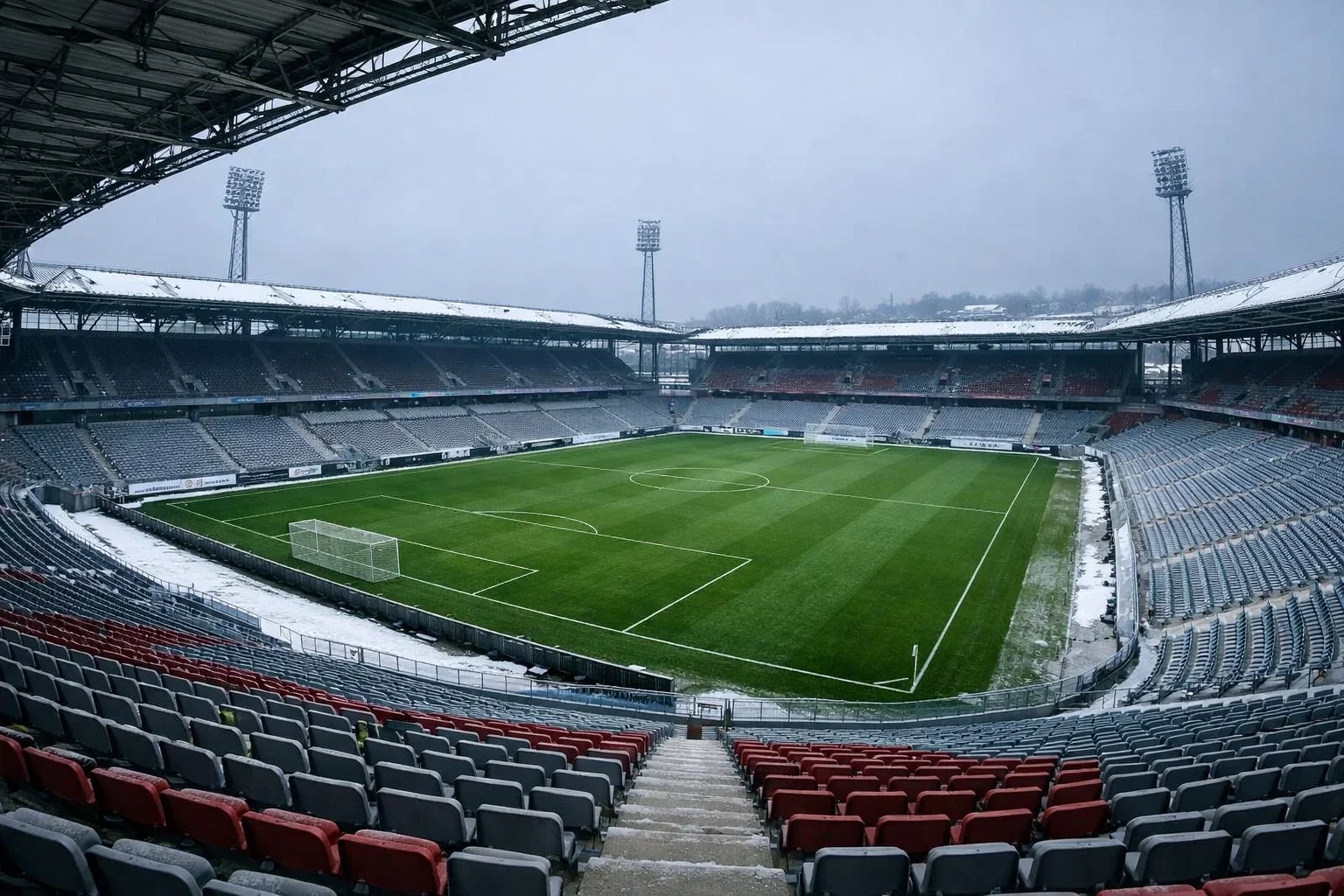
The Bundesliga’s traditional Winterpause creates a unique mid-season discontinuity that affects team performance, form assessment, and betting dynamics in ways that other major leagues don’t experience. While the Premier League and other competitions play through the festive period, German football pauses after Matchday 15 (typically late December) and resumes in early January, giving teams approximately three weeks away from competitive action. This break disrupts form patterns, enables squad regeneration, and creates betting opportunities around the resumption that informed analysis can exploit.
The 2024-25 season followed this pattern precisely: the winter break began after Matchday 15 on December 22, 2024, with league action resuming on January 10, 2025. This timing places the Bundesliga restart amid European football’s busiest period, when Premier League sides face fixture congestion while German clubs return refreshed – a dynamic that affects Champions League and Europa League participants differently than domestic-only clubs.
Pre-Break Form Interpretation
The matches immediately preceding the winter break carry specific interpretive challenges that affect both pre-break betting and post-resumption assessment. Teams approach the final pre-break fixtures with varying motivations that affect performance in predictable patterns.
Some clubs coast toward the break, particularly those with comfortable mid-table positioning and nothing immediate to fight for. Their pre-break performances might underwhelm as players’ minds drift toward holiday plans and intensity drops before the scheduled rest. Betting against comfortable mid-table clubs in final pre-break fixtures sometimes captures value that their form suggests shouldn’t exist.
Conversely, struggling clubs often show improved intensity in pre-break matches as managers and players fight to avoid entering the pause on poor runs that would fester during the break. Relegation candidates frequently produce their most committed performances when facing the prospect of a three-week period to dwell on failure. Backing desperate clubs in final pre-break fixtures captures this intensity effect.
The pre-break standings create psychological pressure that manifests in January resumption performance. Teams entering the break in strong positions carry confidence through the pause; teams entering in crisis carry anxiety that training camp work might not resolve. Tracking not just league position but also the emotional circumstances of final pre-break performances informs post-resumption expectations.
The Resumption Effect
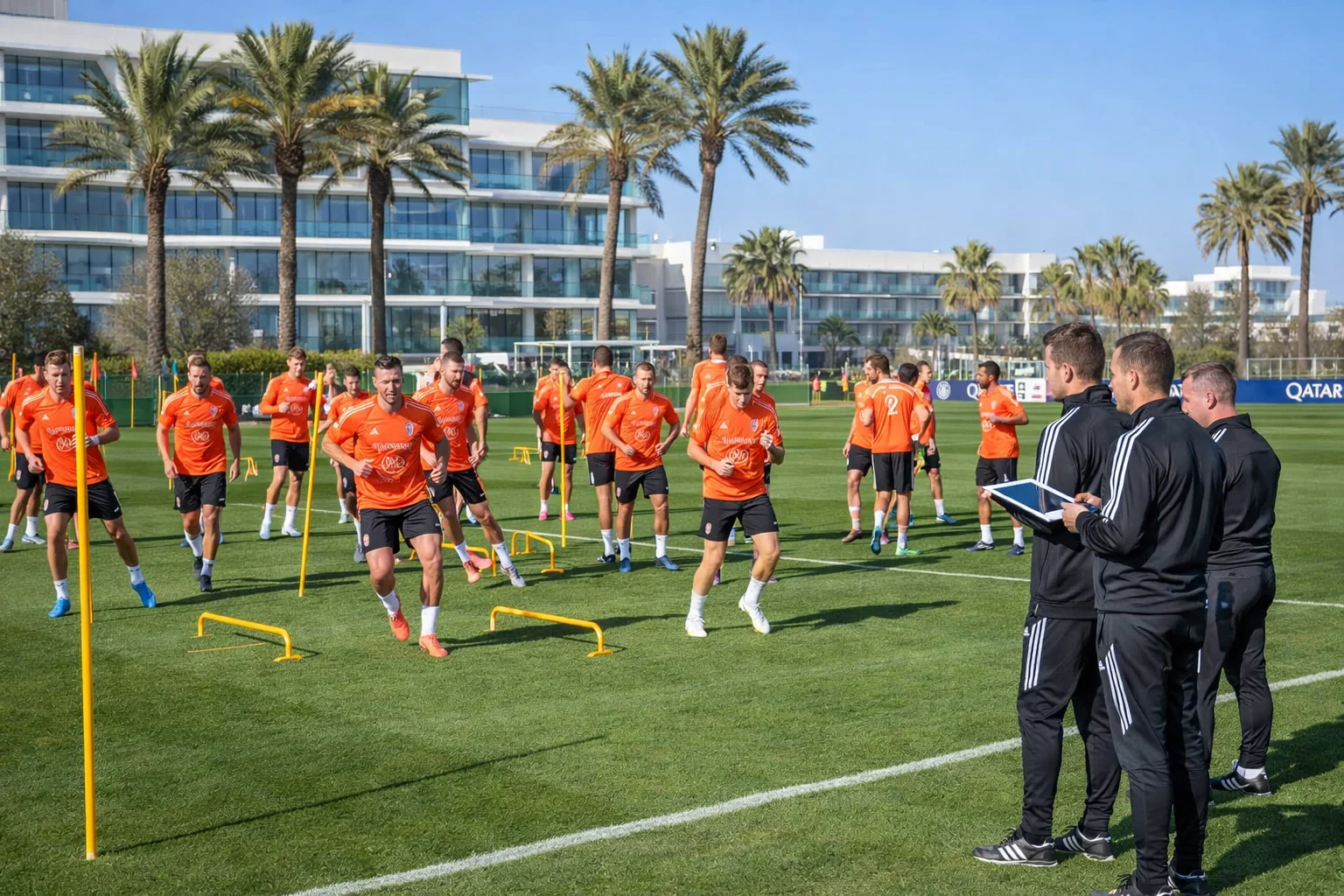
Post-winter-break matches produce distinctive patterns that differ from mid-season form continuity. The three-week gap resets certain form indicators while leaving others intact, creating predictable dynamics that betting analysis should incorporate.
Match fitness represents the most significant resumption challenge. Despite training camp work, competitive match sharpness requires actual matches to restore. The first post-break fixtures often show reduced technical quality, slower decision-making, and physical hesitancy as players readjust to competitive intensity. Under goals backing in immediate post-break matches captures this fitness-related suppression effect.
Different clubs approach winter preparation differently, creating variable resumption readiness. Some prioritize intensive fitness work that produces sharp returns; others emphasize rest and recovery that might leave players slightly underprepared initially. Tracking which clubs historically resume strongly versus which typically require multiple matches to find rhythm informs post-break betting selections.
New signings integrated during the break create tactical uncertainty that affects early-resumption performance. January transfer window activity disrupts team chemistry that pre-break matches established, and new players require integration time that affects overall team performance. Teams making significant January additions might underperform immediate expectations before new players fully integrate.
Historical Pattern Analysis
Examining post-break results across multiple seasons reveals persistent patterns worth incorporating into betting strategies. Some clubs consistently perform well immediately after the break while others consistently struggle before finding rhythm.
Bayern Munich historically resumes strongly, reflecting their resources for quality winter preparation and squad depth that maintains competitive intensity despite the pause. Their first post-break matches often continue pre-break dominance without disruption. Backing Bayern in early-resumption fixtures captures this preparedness advantage.
Mid-table clubs show more variable resumption patterns that require club-specific tracking. Some clubs with strong coaching structures use the break effectively for tactical work and return improved. Others struggle with the rhythm disruption and require several matches to rediscover form. Building club-specific resumption databases enables informed betting that generic assumptions miss.
Promoted sides often struggle particularly in January resumption. The winter break represents their first extended pause at the higher level, and the intensity difference between Bundesliga and 2. Bundesliga preparation becomes apparent when competition resumes. Fading promoted teams in early post-break fixtures captures this adaptation challenge.
Spot true value harry kane goalscorer.
Weather and Pitch Considerations
January resumption places Bundesliga football in Germany’s coldest period, when weather conditions materially affect match dynamics. While undersoil heating maintains playable pitches, atmospheric conditions influence performance in ways that betting analysis should incorporate.
Cold temperatures affect ball behavior, player movement, and technical execution in ways that typically suppress quality. Passes become harder to control; shooting accuracy decreases; and defensive errors increase as cold affects concentration. Under goals markets often find value in early-resumption fixtures when temperatures drop significantly below freezing.
Snow and ice, while rare enough to prevent match postponement, occasionally affect specific fixtures where conditions prove challenging despite groundskeeping efforts. Checking weather forecasts before January matches enables identification of fixtures where conditions might suppress scoring or create chaotic, unpredictable dynamics.
Indoor winter training for some clubs means the transition to outdoor competitive conditions creates additional adjustment challenges. Teams training in heated facilities face different preparation conditions than those maintaining outdoor winter training, potentially affecting early-resumption performance.
European Competition Dynamics
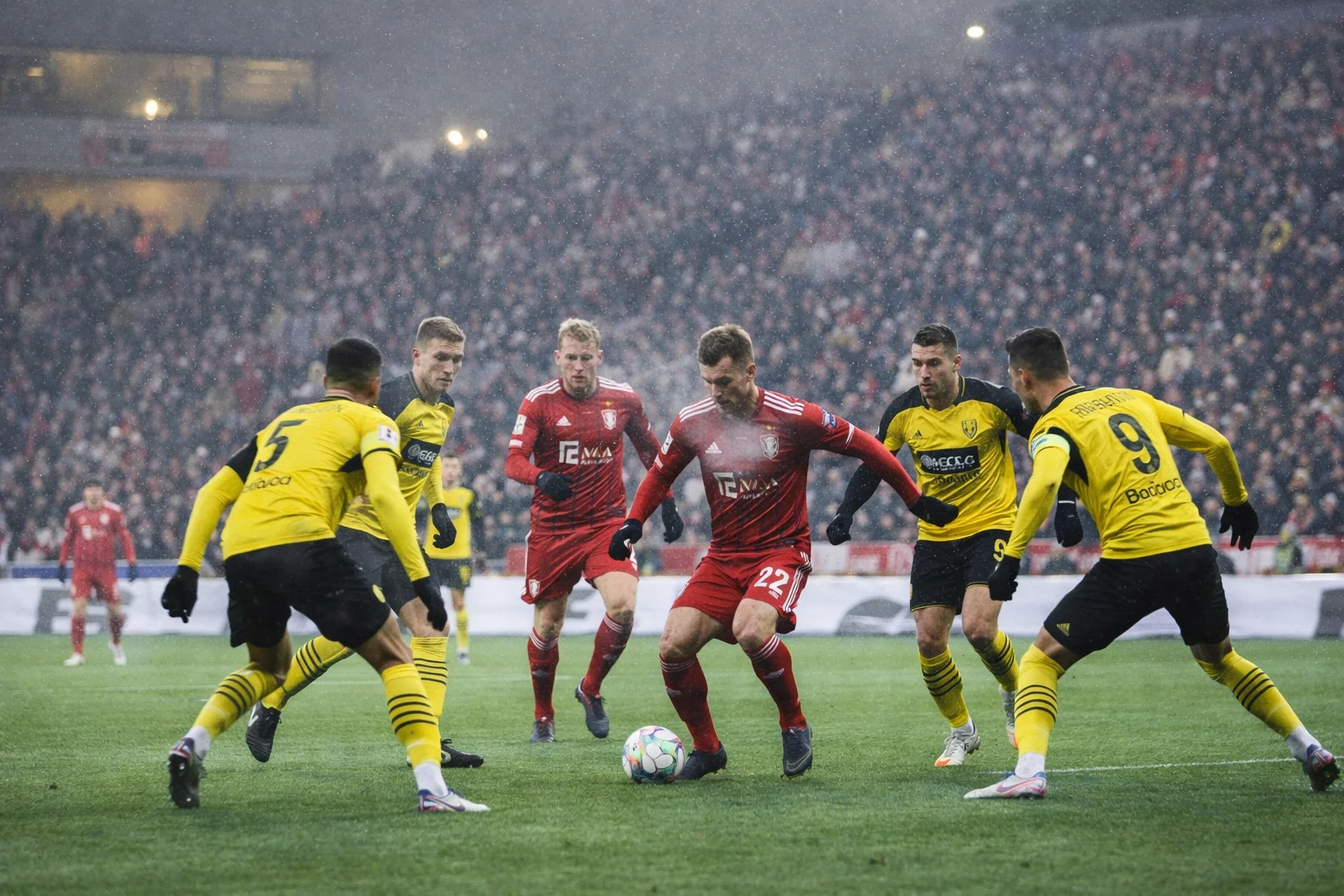
Clubs participating in European competition face different winter break dynamics than domestic-only sides. Champions League and Europa League schedules create calendar pressures that affect how European participants approach both the break and the resumption.
European clubs often use the break primarily for recovery rather than intensive preparation because their fixture load demands physical restoration. This rest-focused approach might leave them less match-sharp initially but better positioned for the extended second-half campaign that includes European knockout rounds.
The February resumption of European competition creates scheduling awareness that affects January domestic focus. European clubs might approach early-resumption Bundesliga fixtures with one eye on upcoming continental matches, potentially affecting intensity in domestic encounters. Fading European participants in early January Bundesliga matches when big European fixtures loom captures this split-focus dynamic.
Clubs eliminated from European competition before the winter break face different psychological dynamics. Some show improved domestic focus freed from continental distraction; others show deflation that the break extends rather than resolves. Reading which eliminated clubs will respond positively versus negatively to European exit informs post-break assessment.
Building Your Winter Break Strategy
Systematic winter break betting requires preparation that begins before the break and extends through the resumption period. Before the break, assess which teams are coasting versus fighting, and adjust final pre-break betting accordingly. During the break, track preparation approaches, January transfer activity, and injury updates that affect resumption readiness.
The first post-break matchday warrants particular caution because uncertainty peaks when no one has yet demonstrated post-break form. Reduced stakes on early-resumption matches acknowledge this heightened unpredictability while still enabling participation in markets where genuine edge exists.
Record-keeping should specifically track winter break betting performance to evaluate whether your analytical approaches generate edge during this period. Do your resumption predictions prove accurate? Which factors best predict post-break performance? Does club-specific tracking add value? This evidence-based refinement enables continuous improvement in a betting area where specialized expertise provides genuine advantage.
The Bundesliga’s winter break creates annual betting opportunities that patient, prepared bettors can exploit. The form discontinuity, fitness challenges, and preparedness variations that the pause produces generate market inefficiencies that surface-level form analysis misses. Understanding these dynamics transforms the January resumption from confusing uncertainty into structured opportunity.
Build an unbeatable edge on bundesliga bet.
