
The Bundesliga’s atmospheric intensity sets it apart from every other major European league, with average stadium occupancy exceeding 95% and passionate supporter cultures that create genuine competitive advantages for home teams. This isn’t merely atmospheric entertainment – the intimidation factor at venues like Signal Iduna Park, the Alte Försterei, and similar cauldrons produces measurable performance differentials that informed bettors can exploit. Understanding which stadiums create meaningful home advantage, and which merely provide pleasant backdrops, separates sophisticated Bundesliga analysis from surface-level observation.
Borussia Dortmund’s 81,365-capacity Signal Iduna Park leads Europe in both attendance and atmospheric impact, while Union Berlin’s intimate 22,012-seat Alte Försterei punches far above its capacity through standing terraces that bring supporters within meters of the action. Bayern’s Allianz Arena fills to 75,000 for every match but creates different advantage dynamics through intimidation of quality rather than raw noise. Each venue produces distinct home advantage patterns that betting market selection should incorporate.
Follow swift live betting strategy.
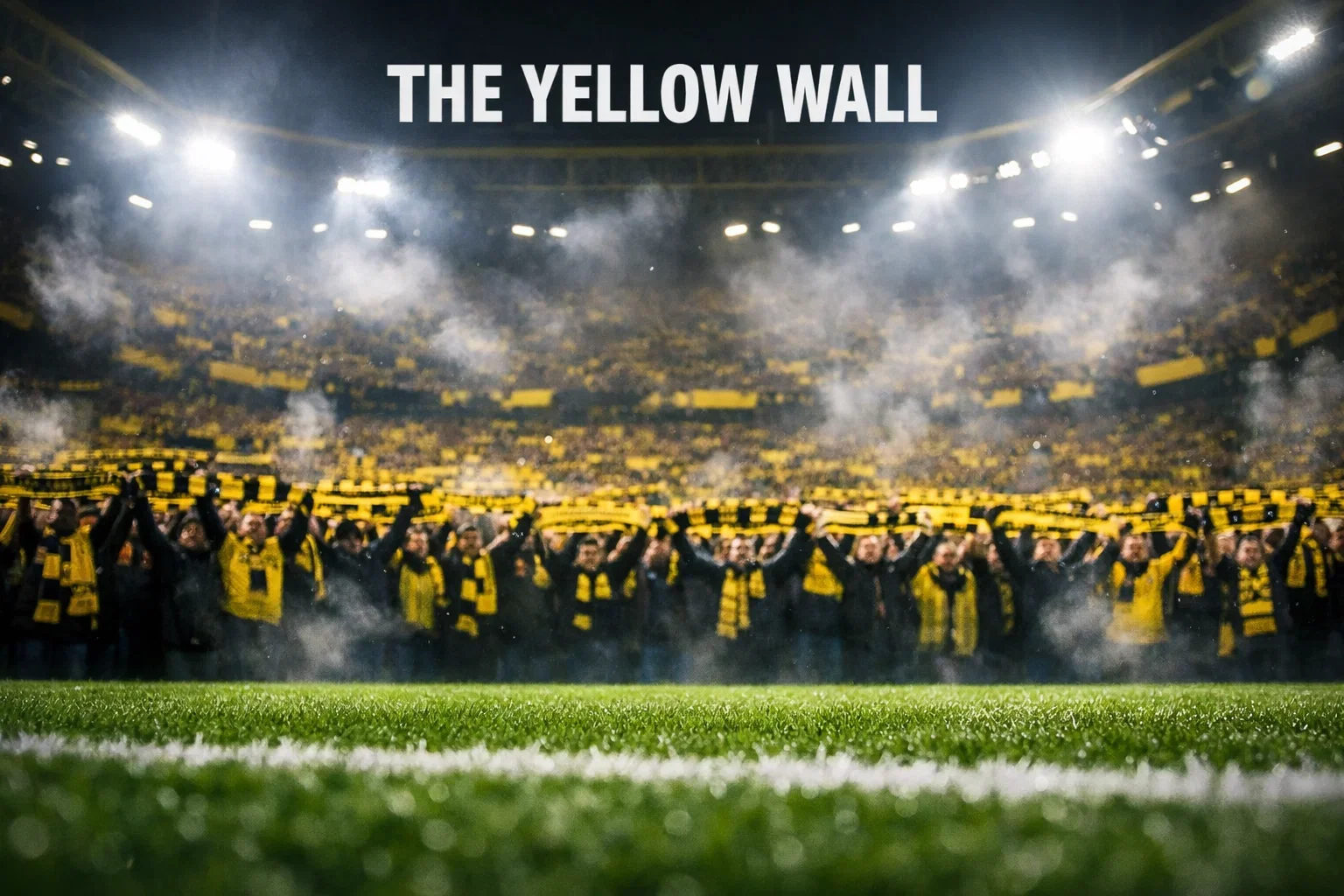
The Yellow Wall Effect
Signal Iduna Park’s famous Südtribüne – the Yellow Wall – holds 24,454 standing supporters who create the most intense single-stand atmosphere in world football. Visiting players describe the experience as overwhelming: the wall of noise, the visual mass of yellow and black, and the physical proximity of supporters who react to every challenge create psychological pressure that affects decision-making and execution.
Dortmund’s home advantage manifests particularly strongly in opening periods. The crowd energy peaks at kickoff when 81,365 voices create sound levels that prevent opponent communication. Visiting teams frequently concede early at Signal Iduna Park because the atmospheric assault disrupts tactical organization that away dressing room preparation cannot replicate. First-half Dortmund goals and first-half advantage markets particularly suit home backing at this venue.
The effect extends beyond psychology to tactical implications. Opponents adjust their approaches specifically for Dortmund away fixtures, often adopting defensive setups designed to survive rather than compete. This tactical conservatism affects goals markets – visiting teams at Signal Iduna Park frequently prioritize clean sheets over scoring, potentially suppressing away goals below quality-based expectations.
However, the Yellow Wall’s intensity creates occasional complications for Dortmund themselves. When performances disappoint, crowd frustration becomes audible, potentially affecting home player confidence. Late-match situations where Dortmund trail can see atmospheric pressure work against the home team. Understanding when the crowd helps versus when it hurts enables nuanced betting that simple “always back Dortmund at home” approaches miss.
Union Berlin: Intimacy as Weapon
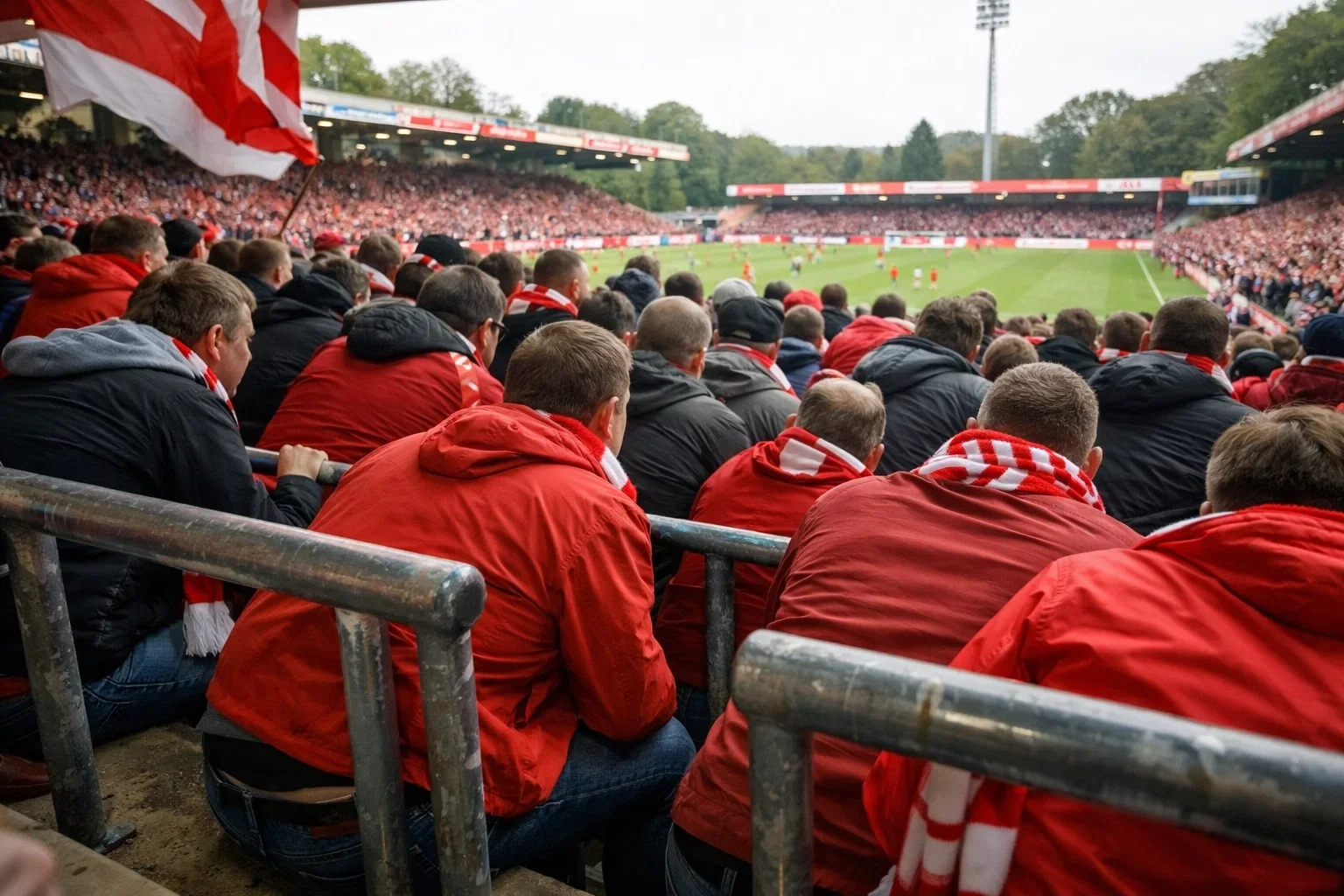
The Alte Försterei represents the opposite end of atmospheric advantage – not through overwhelming scale but through concentrated intensity that 22,012 passionate supporters create in a majority-standing venue where terraces press almost onto the pitch. Union’s home advantage stems from intimacy rather than intimidation, producing different performance patterns than larger stadiums generate.
Visiting players at Union describe feeling watched, surrounded, and unable to escape supporter attention that follows every touch. This psychological pressure affects technical execution in ways that larger stadiums don’t replicate. The standing terraces enable coordinated supporter movement and noise that seated stadiums cannot match, creating wall-of-sound effects despite the smaller capacity.
Union’s home form historically exceeds their away form by margins substantially larger than Bundesliga averages, despite their mid-table positioning limiting overall quality advantages. This venue-specific performance differential creates betting opportunities when markets price Union home matches based on overall team quality rather than incorporating stadium-specific adjustment.
The tactical implications at the Alte Försterei favor Union’s direct, physical approach. Their pressing intensity feeds off crowd energy, and opponents who attempt to play through the pressure find technical execution compromised by atmospheric distraction. Backing Union’s playing style – physical challenges, aerial duels, second-ball success – suits this venue better than expecting technical football to flourish in the cauldron environment.
Bayern Munich: Quality Intimidation
The Allianz Arena creates home advantage through different mechanisms than Dortmund or Union. Bayern’s 75,000-capacity venue fills consistently, but the intimidation stems more from knowing you’re facing the Bundesliga’s dominant force on their territory than from raw atmospheric assault. The stadium is modern, comfortable, and impressive rather than hostile in the traditional sense.
This distinction affects how Bayern’s home advantage manifests in betting markets. Their dominance at the Allianz Arena reflects quality superiority that would apply anywhere rather than venue-specific atmospheric boost. When Bayern hosts bottom-half opposition, the venue adds relatively little to advantages that pure quality already provides. But when Bayern faces genuine quality opposition, the psychological weight of entering the champions’ home creates subtle edges that affect marginal matches.
Bayern’s home record against top-six opposition particularly rewards attention. Elite opponents approach the Allianz Arena with respect that sometimes becomes excessive caution, potentially suppressing their usual attacking output. Backing Bayern in matches against quality opposition at home captures this psychological edge, while their matches against relegated-quality sides offer minimal venue-specific value beyond what quality differential already provides.
The Champions League nights at the Allianz Arena produce elevated intensity that domestic fixtures don’t match, suggesting Bayern’s supporters save maximum energy for occasions they deem worthy. European competition home matches create stronger atmospheric advantages than routine league fixtures, potentially affecting betting calculations when Bayern’s domestic home form seems unremarkable.
Mid-Table Venue Patterns
Beyond the marquee stadiums, several mid-table venues create genuine home advantages that betting analysis should incorporate. Some clubs consistently outperform away expectations at their home grounds despite lacking the famous atmospheres that headlines celebrate.
Freiburg’s Europa-Park Stadion (opened 2021) created immediate home advantage through modern design that places supporters close to the action in a compact 34,700-capacity venue. Freiburg’s home form improved measurably following the stadium move, suggesting venue design genuinely affects performance beyond simple supporter numbers.
Mainz’s MEWA Arena produces disproportionate home advantage relative to the club’s overall quality level. Their supporters’ coordination and the stadium’s acoustic properties create noise levels that exceed capacity-based expectations. Backing Mainz at home against similar-quality opposition captures venue advantage that away performances don’t suggest.
Newly promoted sides often struggle to replicate second-division home form at the Bundesliga level because their stadiums, while adequate, lack the atmospheric weapons that established clubs possess. Holstein Kiel’s 15,000-capacity Holstein-Stadion provided minimal intimidation factor during their 2024-25 Bundesliga campaign, potentially contributing to home struggles that away form didn’t fully explain.
Quantifying Home Advantage

Converting atmospheric observations into betting applications requires quantifying home advantage effects across venues. Some approaches that inform market selection include tracking home win percentages at specific venues across multiple seasons to identify persistent advantage levels. Venues where home win rates substantially exceed league averages despite similar team quality levels reveal genuine venue effects worth pricing into selections.
Goal distribution analysis by venue reveals which stadiums produce elevated home scoring versus which suppress away scoring. Some atmospheric venues intimidate opponents into defensive shells that reduce goals; others energize home teams into attacking excellence that increases goals. Matching goals market selection to venue-specific patterns improves accuracy beyond league-wide assumptions.
First-half versus second-half home advantage variation by venue identifies where crowd energy peaks and fades. Some stadiums produce maximum early impact that opponents eventually weather; others build atmosphere throughout matches that affects late-game scenarios. Timing-specific markets (first-half results, first-half goals) suit venues with early-peak atmospheric profiles.
Away fan allocation affects venue atmosphere meaningfully. Bundesliga away sections vary substantially between venues, and matches where away support rivals home atmosphere produce different dynamics than matches where visiting supporters feel overwhelmed. Major derbies with substantial away allocations potentially reduce typical home advantage in ways that betting should recognize.
Practical Applications
Systematic venue-conscious betting requires maintaining records of stadium-specific patterns that inform match-by-match decisions. Which venues consistently produce home advantage beyond team quality? Which venues fail to boost home performance despite atmospheric reputation? How do specific matchups interact with venue characteristics?
Pre-match preparation should include venue checking as standard procedure. Before backing any Bundesliga home team, assess whether the specific venue creates meaningful advantage that odds might not fully reflect. Before backing any away team, assess whether the venue’s atmosphere might suppress their usual performance levels.
Live betting particularly rewards venue awareness because atmospheric effects intensify as matches progress and crowds react to developments. Understanding how specific venues respond to home team struggles versus successes enables in-play positioning that pre-match odds couldn’t anticipate.
The Bundesliga’s unmatched atmospheric intensity creates genuine competitive advantages that betting markets don’t always price efficiently. Signal Iduna Park’s Yellow Wall, Union’s intimate cauldron, and venue-specific patterns throughout the league offer opportunity for bettors who develop expertise that casual observation misses. The crowds will keep coming – the question is whether you’re capturing the betting value their presence creates.
Stop guessing blind practically and start analyzing with bundesliga bet.
