
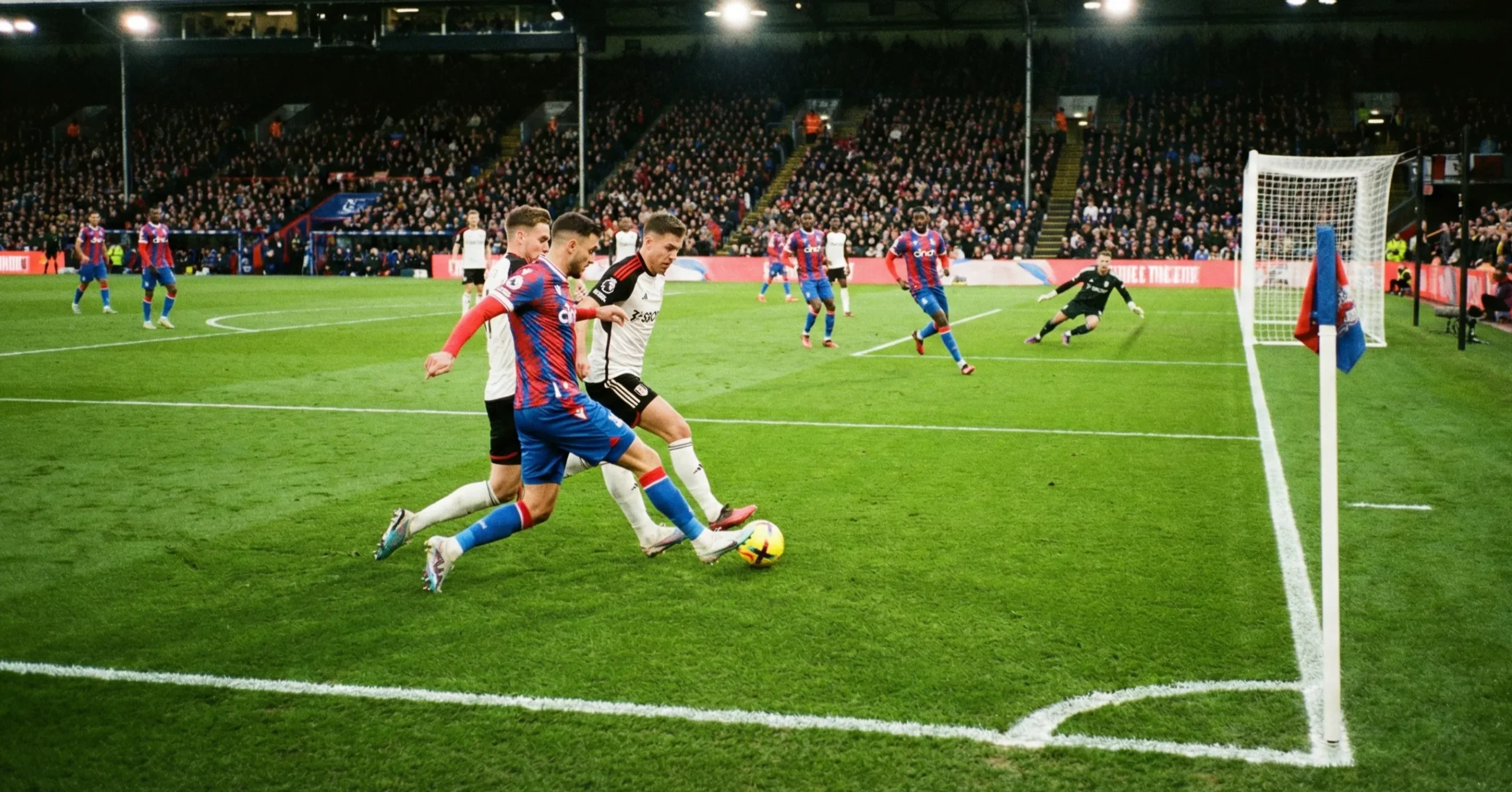
The clubs occupying positions 6th through 14th in the Bundesliga table represent the most fertile ground for systematic betting profitability in German football. These teams lack the prohibitive pricing that makes Bayern betting mathematically challenging and avoid the desperation dynamics that make relegation betting emotionally volatile. They exist in a competitive middle ground where genuine uncertainty creates market inefficiencies that informed analysis can exploit consistently.
These aren’t the clubs that dominate headlines or attract casual betting attention. Freiburg, Wolfsburg, Union Berlin, Augsburg, Mainz, Hoffenheim, and their mid-table companions rarely feature in global football discourse beyond their specific matches. This relative obscurity creates advantages for bettors willing to develop genuine expertise — markets remain less efficient when fewer sophisticated bettors focus attention, and patterns persist longer before odds adjustments eliminate edges.
The Competitive Parity Advantage
Mid-table Bundesliga matches feature closely-matched opponents more frequently than fixtures involving elite clubs or relegation candidates. When Freiburg hosts Wolfsburg, or Mainz travels to Augsburg, neither side possesses overwhelming quality advantages that make outcomes predictable. This competitive parity produces diverse results — wins, draws, and losses distributed across home and away sides more evenly than top-versus-bottom encounters.
From a betting perspective, this parity creates opportunities that lopsided matches cannot provide. When Bayern hosts Heidenheim, the outcome probability distribution concentrates so heavily on Bayern that bookmaker margins compress betting value regardless of which side you back. When Hoffenheim hosts Freiburg, genuine uncertainty creates probability distributions where skilled analysis can identify mispriced outcomes across multiple potential results.
The draw becomes a viable betting option in mid-table encounters to a degree impossible in matches involving dominant teams. Draws occur at elevated rates when competitive balance prevents either side from imposing their will, and bookmaker pricing of draws frequently underestimates true probability in these specific matchups. Backing draws selectively in mid-table encounters — particularly when recent form suggests similar quality, when home advantage might be neutralized by away-team tactical approach, or when motivational factors balance each side’s commitment — produces positive expected value that draw betting on elite-team fixtures cannot replicate.
Double chance markets similarly offer enhanced value in mid-table matches. Backing Home Win or Draw on a mid-table side at their own stadium captures the uncertainty inherent in these balanced encounters while providing insurance against narrow defeats. The odds reduction compared to straight match-winner betting reflects genuine probability improvement that justifies reduced potential returns.
BTTS and Goals: The Mid-Table Sweet Spot

Both Teams to Score markets achieve peak reliability in mid-table Bundesliga encounters for structural reasons that transcend individual team characteristics. These clubs attack competently without elite finishing, and defend reasonably without impenetrable organization — the combination produces matches where both sides find the net without either dominating to the point of shutout.
Mid-table clubs commit to attacking football because they lack the quality to successfully execute low-block defensive strategies against most opponents. They can’t simply absorb pressure and counter like elite defensive units because their individual defensive quality invites sustained pressure that eventually produces goals. So they attack, creating chances and scoring goals that their defensive limitations couldn’t prevent opponents from also achieving.
The statistics support this thesis consistently. BTTS Yes hits at rates exceeding 65% in matches between 6th-14th place teams, substantially above the league-wide average. This isn’t random variance or small-sample noise — it reflects how mid-table clubs approach matches tactically given their quality constraints. Backing BTTS Yes in mid-table encounters at typical odds around -120 to +100 produces positive expected value when applied systematically with appropriate matchup filtering.
Over 2.5 goals similarly benefits from mid-table dynamics, though the relationship to BTTS requires strategic distinction. High-scoring matches can occur without both teams scoring (3-0, 4-0 results), while both teams scoring can occur in low-total matches (1-1 draws). Mid-table encounters produce elevated BTTS rates more reliably than elevated total-goals rates because defensive vulnerabilities at both ends more consistently produce mutual goal-scoring than one-sided goal explosions.
When specific matchup analysis suggests open, attacking football from both sides — perhaps based on recent tactical approach, key personnel availability, or motivational factors — over 2.5 becomes viable alongside or instead of BTTS. When one side appears likely to approach conservatively despite mid-table positioning, BTTS alone captures value without requiring elevated goal totals that conservative approach makes less probable.
Form Matters More, and Less, Than You Think
Mid-table clubs experience form fluctuations that dramatically exceed what top clubs encounter, creating both opportunity and risk for form-based betting approaches. A mid-table side winning three consecutive matches genuinely becomes different from the same side that lost three straight — tactical adjustments, confidence effects, and injury developments create meaningful performance variations that recent results actually predict.
This form sensitivity creates value when markets insufficiently adjust to genuine quality changes. When Mainz rides a four-match winning streak featuring dominant performances, goals from multiple sources, and defensive solidity improvements, their next-match odds might not fully reflect elevated true performance levels. Conversely, when Wolfsburg loses three straight while conceding eight goals through defensive collapses, their odds might still reflect season-average performance expectations that understate genuine decline.
The trap involves overweighting form that represents variance rather than signal. A mid-table club winning three matches against relegated-quality opposition while generating mediocre expected goals tells different story than the same record achieved through dominant performances against quality opponents. Form analysis requires context — who did they beat, how did they win, do underlying metrics support results? — rather than simple recent-results evaluation.
The practical approach involves incorporating form as one factor among several rather than treating it as primary prediction input. Strong form in mid-table sides increases probability estimates but shouldn’t override fundamental matchup analysis or create confidence levels that slight edges don’t justify. Record recent results, but evaluate them contextually before allowing them to drive betting decisions.
Home Advantage Amplification
Home advantage manifests more strongly for mid-table clubs than for elite sides or relegation candidates, creating venue-based betting considerations worth incorporating systematically. Mid-table clubs perform substantially better at home than away to degrees that top clubs’ overwhelming quality and bottom clubs’ comprehensive limitations don’t produce.
Several mechanisms explain this pattern. Mid-table clubs possess quality capable of capitalizing on home advantages — crowd support, familiar conditions, eliminated travel fatigue — without possessing quality so overwhelming that venue becomes irrelevant. Additionally, their fans create atmospheres that genuinely affect opponent performance without the intimidation factor being so overwhelming that it peaks regardless of matchup stakes.
Away form for mid-table clubs frequently disappoints compared to reasonable quality-based expectations. These sides struggle to replicate home performances on the road, particularly at venues where hostile atmospheres combine with travel demands and unfamiliar conditions. Backing mid-table home sides against mid-table away sides captures this venue asymmetry more consistently than backing them in neutral-venue-equivalent straight quality comparisons.
The application involves weighting venue heavily when analyzing mid-table matchups. Check home-versus-away form splits rather than aggregate form, evaluate whether specific venues create particular challenges for visiting mid-table sides, and consider backing home teams at odds that might seem short based on aggregate quality comparisons but represent genuine value given venue-specific performance patterns.
Motivation and Stakes
Mid-table clubs experience motivational variations across seasons that affect match-by-match performance in predictable ways. Early-season matches feature relatively balanced motivation across positions, while late-season matches create stark motivational differences based on what’s at stake for each club.
When mid-table clubs face opponents fighting relegation, the desperation factor favors the relegation candidate despite quality advantages the mid-table side might possess. The comfortable mid-table club approaches matches with reduced intensity compared to opponents whose existence depends on points accumulation. Backing relegation-fighting sides as underdogs against mid-table opposition captures this motivational asymmetry, particularly late in seasons when stakes crystallize.
European qualification creates reverse dynamics for clubs pushing toward continental berths. Mid-table sides fighting for Europa League or Conference League spots approach late-season matches with intensity that comfortable positioning doesn’t produce. Backing these motivated mid-table clubs against already-safe mid-table opposition captures motivation gaps that pure quality analysis overlooks.
The Christmas and winter-break period creates temporary motivational flattening worth noting. Clubs enter the break with positions unsettled, return with renewed energy regardless of previous form, and motivation levels briefly equalize before league positions clarify late-season stakes. Post-break matches sometimes produce surprising results as form resets and motivation rebalances.
Master tricky correct score betting.
Building Your Mid-Table Betting Approach

Successful mid-table betting requires developing genuine expertise in clubs that receive minimal mainstream attention. Follow team news for all mid-table clubs, understand their tactical approaches and key player dependencies, and track underlying metrics rather than simply monitoring results. This knowledge investment pays dividends through market inefficiencies that persist because most bettors focus attention elsewhere.
Market selection should favor propositions that exploit mid-table structural characteristics: BTTS, draw-inclusive markets (double chance, draw no bet), and home-favoring selections when venue advantages apply. Straight match-winner betting on away sides represents the least reliable edge given mid-table away-form limitations and home-advantage amplification.
Staking approach should reflect mid-table variance by reducing individual stakes across more selections. These matches genuinely produce unpredictable outcomes — that’s precisely why betting opportunities exist — and bankroll protection through conservative sizing ensures survival through inevitable losing streaks.
Track performance across club-level, market-level, and situational factors. Which mid-table clubs produce profitable betting consistently? Which market types generate positive ROI? Do motivational factors actually predict outcomes as theory suggests? This evidence-based refinement compounds knowledge advantages over time, transforming mid-table expertise into sustainable betting edge.
The glamour belongs to Bayern Munich and Borussia Dortmund. The betting value lives in the comfortable anonymity of mid-table Bundesliga football, where genuine uncertainty creates opportunities that elite-club pricing mathematics cannot provide. Embrace the mundane, develop the expertise, and profit from markets that mainstream attention overlooks.
Use truly awesome predictions from bundesliga bet.
